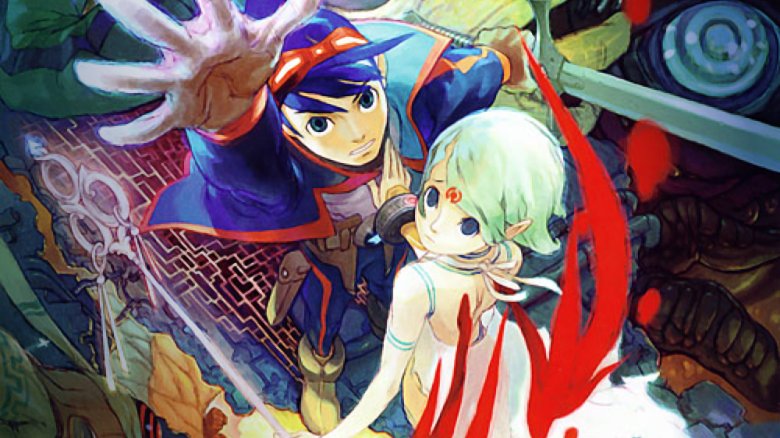
Genre: RPG
Year: 2003
Developed by: Capcom Production Studio 3
Published by: Capcom
Platforms: PS2
#100
Feeling Like: Draw No Quarter
My review for the movie “Aftersun” seems appropriate to post.
I was prepared to give this a 2 or 2.5 out of 5 after the first half. The acting is grounded and so realistic, but the pacing is slow and there wasn’t much of a story.
After a specific scene with the dad alone in their hotel room, the film came alive and every scene felt more beautiful than the last. I was shocked how hooked I was and how strong the ending is. I’m still thinking about it and feel for the characters involved. The music and visuals are perfectly done. I don’t think I’ve ever changed my opinion more during a movie. Wow.
Breath of Fire: Dragon Quarter also led to a complete change of opinion.
I get impatient with gaming personalities who don’t finish the games they’re discussing. While I completely sympathize with their plight of having to get through an incomprehensible amount of games in a short period of time, I still don’t think it’s right to summarize your judgment before seeing it all the way through. Now, it’s not their fault; the algorithm demands timely analysis, not full ones a few weeks after launch. And most games, I would argue, are too long. The gameplay doesn’t warrant dozens of hours, though developers may be hesitant to trim things down at the risk of gamers feeling like they didn’t get their money’s worth.
I don’t like leaving things unfinished. I like completing things and plugging them into my various lists: Trakt, LetterboxD, LibraryThing and The Almighty Spreadsheet. I also have the benefit of gaming on my own time, with no dime at risk.
But the real reason I will push through is because sometimes, things get better. Levels improve, or the story opens up, or a new gameplay mechanic that resonates with me is introduced. It doesn’t happen often, but when it does, I remember it vividly.
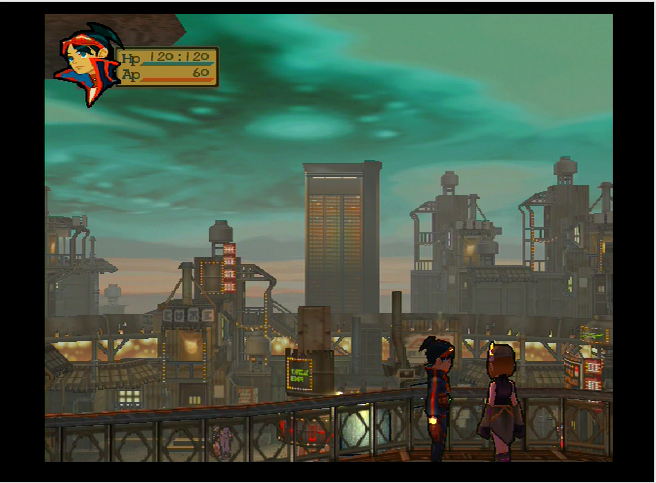
I disliked Breath of Fire: Dragon Quarter initially. This was nothing like the previous Breath of Fires, certainly not what I was expecting. You don’t have a large party. There’s no light heartedness, in fact it’s one of the most oppressive atmospheres I’ve ever seen in a game. It’s very difficult. You play the entire game underground, the only “sky” you see is painted on the roof, like in the screenshot above. The main hook, the D-Counter, can result in a Game Over, even if you’re not killed by enemies.
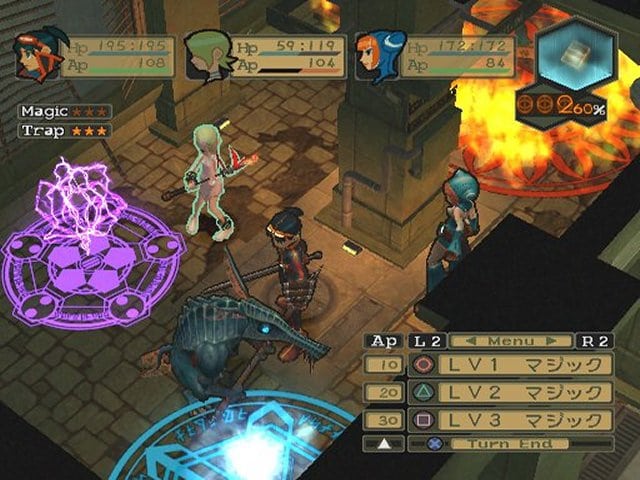
I was frustrated. I’m not exactly the most open minded when it comes to experimentation with game systems, and each of the previous four Breath of Fire games were fairly standard in this regard. The more you transform into a Dragon, the quicker the counter increases. Once you hit 100%, it’s Game Over. The counter moves up slightly even when Ryu is walking, so there’s a sense of impending doom. Always. You can’t relax. You can’t just meander in towns, you can’t get to a beautiful vista to soak in the sights. There are no beautiful vistas! Each area is a dank representation of industrial, metal, mechanical dreck. Even combat is weird! There’s a lot of laying down traps, using your ability points to move around and Dragon-ing in the most dire of circumstances.
It was all too much. Too much change, too much weird.
I wish I could tell you there was a pivotal moment, or a single scene where it all clicked but it didn’t. I was stubborn, I’d heard good things and I was obviously missing something. Eventually, eventually it clicked. I played ball with the combat system. I stopped using the dragon form entirely (for the most part). I persevered through tough bosses and started to embrace the world and story.
Once I did that, I started to like the game. Really, really like it. Admire it, even, for the risks it took.
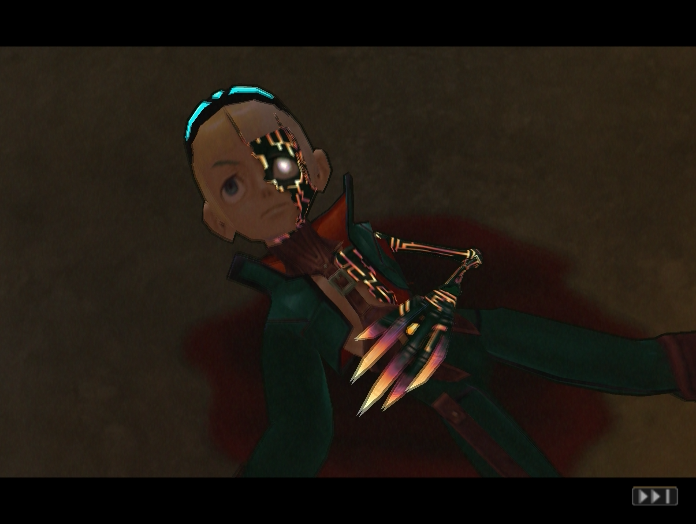
The setting actually started to grow on me. They really go all in here, there aren’t sections where you get to run around outside, or switch the focus to something else. You are trying to get to the surface so your friend Nina can live. That’s it. That kind of singular focus is monumentally rare in video games. Doubly so for a JRPG. This is the story, these are the characters. The goal doesn’t change. You’re a kilometer below the devastated planet, with all sorts of political, societal and magical elements standing in your way. They don’t want lower levels climbing up beyond their status and rank. Even the villains are consistent throughout; your rival, Bosch, becomes insane with jealousy and constantly stalks you with murderous intent.
Watching the superb TV show Silo and the ground breaking THX 1138, I realize I’m drawn to these kinds of stories. How does a society function without the ability to go outside? You get this amazing, encapsulated society in a dystopian (well, for some) society and I’m all-in for that. While I joke about never wanting to go outside, I also feel the urge to enjoy outdoors with friends. Go for bike rides, hikes. Play soccer, or cricket. Even a ginger like me, who was genetically designed to live in a bog in Ireland, can appreciate the dangers of cabin fever.
Now imagine never having the choice to leave the confines of your structure.
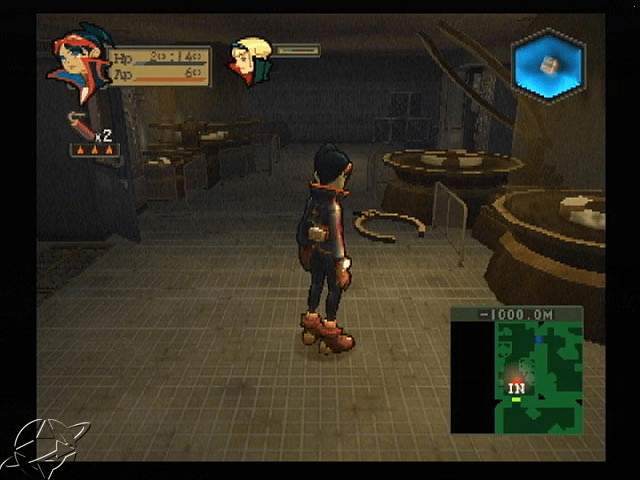
I mentioned the main hook being the D-Counter. I’m not sure if it’s possible to beat the game entirely without doing this, but the game all but encourages you to reset your progress when you get too close to 100%. Back to the beginning of the game, but you keep your items, equipment, abilities, experience, and so forth. This pseudo-Majora’s Mask loop actually kind of works. You get to see different dialogue bits and learn more about the world. Plus, it’s not a long game. If you had to go back and re-do 20 hours of areas you’ve already completed, I don’t think anybody would bother. But, the experience itself is quite lean, approximately six to eight hours. Because it’s designed to be played this way, I found myself willing to “restart”. Plus, you can blow through enemies and bosses like paper once you’re properly levelled.
Two main variables stand out, and they’re the main reasons Dragon Quarter is at spot number 100.
One, the soundtrack. It’s absolutely brilliant. I only recall a few tracks, but they are phenomenal.
For how dark the world is, the music for the Low Layer Area sure is upbeat!
Middle Layer Area encompasses entirely the game’s feeling; despondent, bleak, but also hopeful.
But it’s the Electric Power Building that takes the cake. Make sure you give the track a listen in its entirety (remember, it’s important to finish things!), because it starts slow and strange, but builds to one of the most encouraging, powerful themes in video game history. There’s a reason this track used to win game music brackets all the time in the Forum days.
When you have music of this quality, it helps pick you up if you’re having a hard time. It motivates you when you get a Game Over. It enhances the mystery when you’re trying to figure out what the hell is going on. It guides you to your goal. It’s one of the best soundtracks I’ve ever heard.
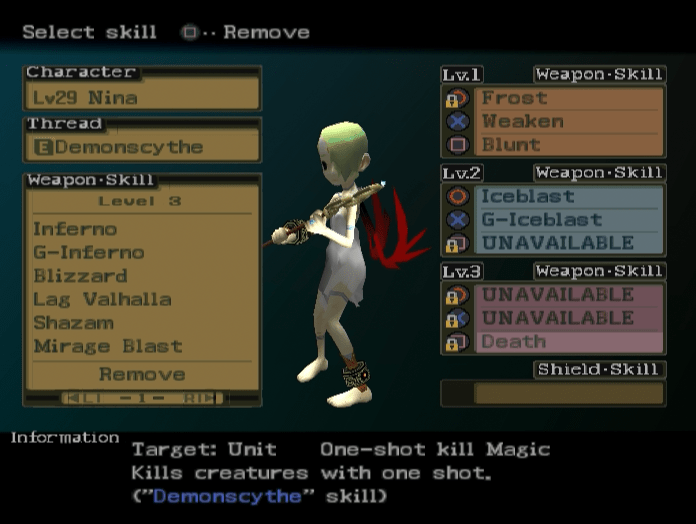
The second is the ending. Naturally, spoilers ahead.
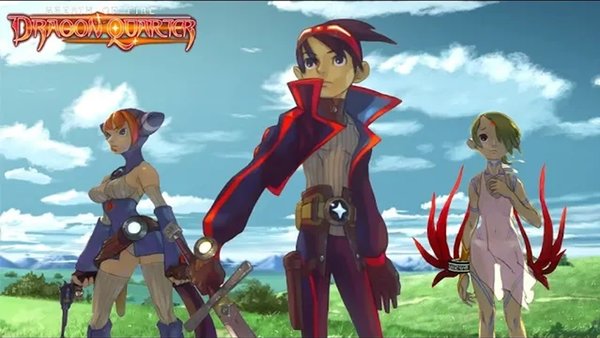
You do make it out. As Nina and Lin reach the surface, you discover it’s not devastated at all. It’s lush, and green. The sky is piercing, blue and full of clouds. You’ve reached your goal. Because of the juxtaposition of the dreary, harsh underworld and this gorgeous landscape, the emotional impact is heightened. You made it. And the game doesn’t cheat – you don’t then have a second adventure on the surface, no. No. That’s not what this was about. This was about getting Nina to the surface, uncovering the conspiracies and fighting horrors that inhabit the underground. There’s no rug pulled out from under you, there’s no fight with God, there’s no ACTUALLY THE GAME IS REALLY ABOUT THIS NOW. I admire a game where the synopsis can be summarized in a few lines.
It reminded me of a play I was in at Langham Court Theatre in 2008, Enchanted April. The story involves two housewives who plot a trip to Italy in April to escape the British weather. The set in Act One is much like Dragon Quarter – dull, flat and dark. No joy, at all. It’s drab even by community theatre standards. But then, Act Two begins in Italy. The curtain is pulled, revealing a gorgeous set complete with greens, wisteria, and color. It’s the only play I’ve been a part of where the set itself got a round of applause, every night. But it only works because of the choice to make Act 1’s furniture and walls unappealing. It’s the transition, the contrast that makes it work. I’d argue that’s what makes Dragon Quarter’s ending have so much impact. You feel for your trio so much that you’re desperate to get them to the surface. When the doors open and you see sunlight, for the first time, it’s emotionally uplifting and immensely satisfying.
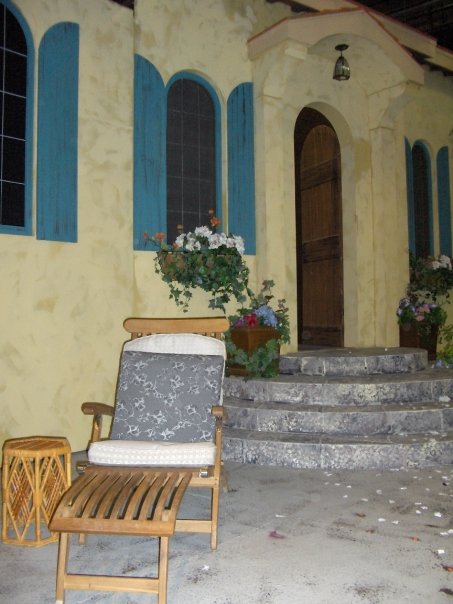
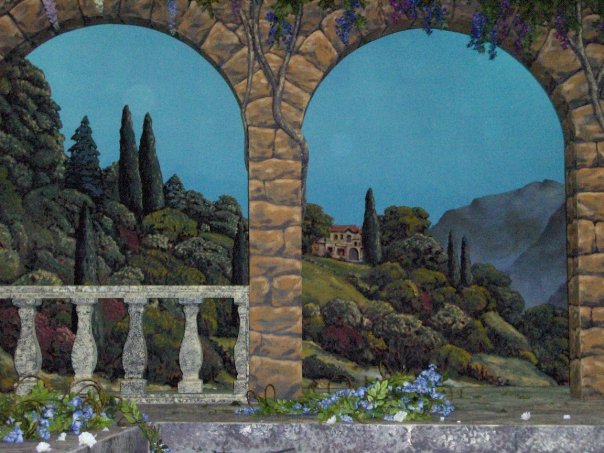
(Not the best set pictures, but you get the gist)
I didn’t really mean for Breath of Fire: Dragon Quarter to snag spot #100 when the 100% D-Counter is so pivotal to the story, it just worked out that way. Still, it feels appropriate – I’m working my way to the surface and one day, I’ll feel the sunshine. 401 down, 99 to go! Approaching the Stars, here I come!
 The 500