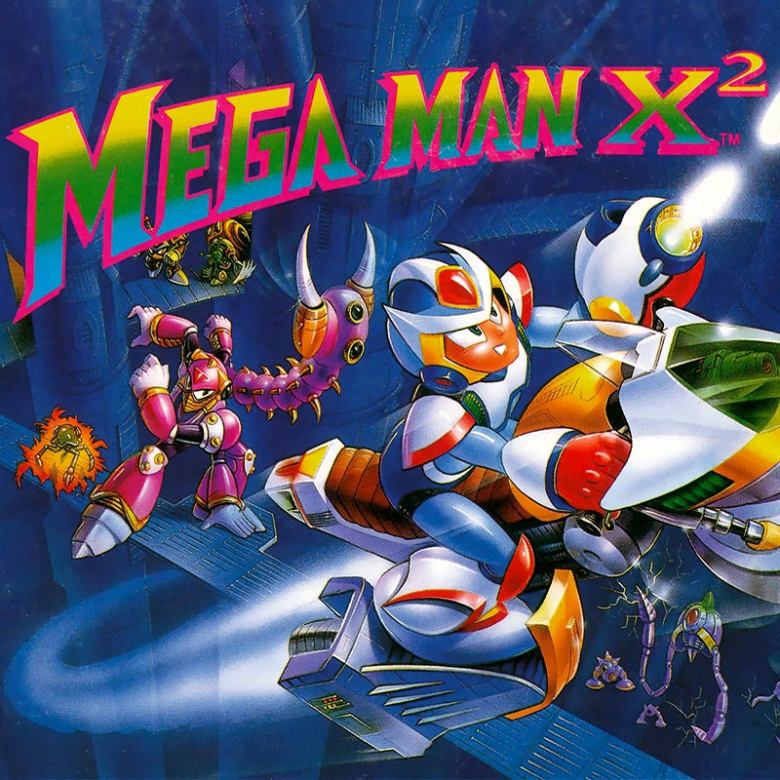
Genre: Platformer
Year: 1994
Developed by: Capcom
Published by: Capcom
Platforms: SNES
#67
Feeling Like: Sleeping in Light
Here it is, my favorite Mega Man game and the top entry on the 500. I know there’s only so many ways to describe a Mega Man and this being the 14th one makes it a challenge to keep things fresh. I know how impactful a series is for me when it accounts for 2.8% of the entire blog, so I do owe it to Mega Man X2 to give it proper props.
What I loved most about Mega Man X2 was playing it with the Super Husain Bros., Kasim and Aslam. They’ve both provided superb guest posts on the 500 (Aslam with Mega Man 4, Kasim with Civilization 2) and they got me into Mega Man in the first place. I will never forget watching Aslam portray his mastery at Mega Man X2 before graciously passing off the controller. He deserved his time in the limelight, but was never selfish. That translates to his style as an actor too.
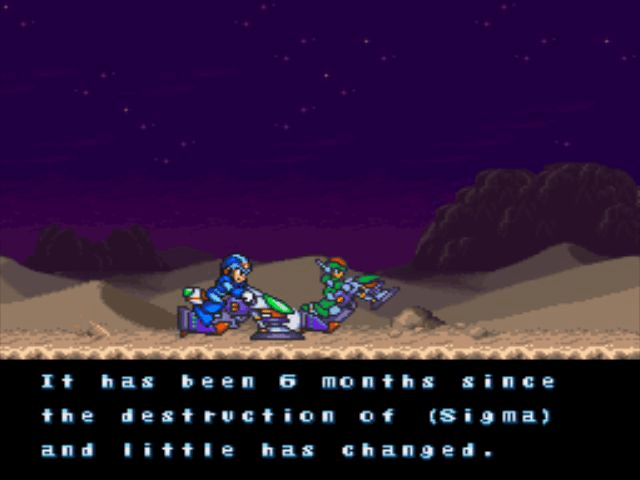
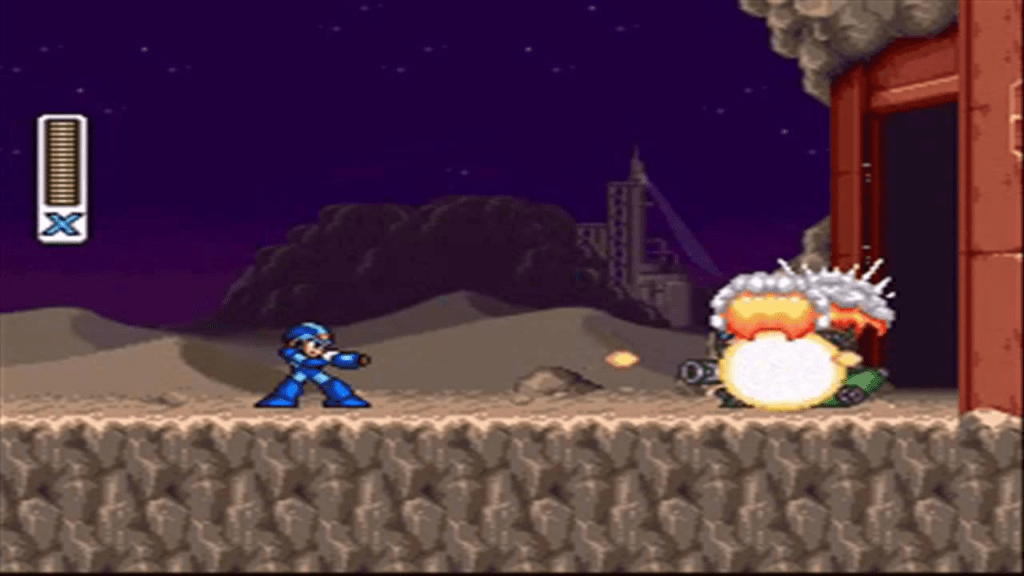
It’s the kind of game you never get sick of. No level overstays its welcome. There are secrets everywhere, well beyond what you’d expect a platformer from 1994 to have. Even better, Capcom heavily expanded upon the storyline and cut-scenes from Mega Man X, and although the translation doesn’t hold up, at least they put in the effort. Man, that opening cutscene, which sees your hoverbike-riding buddy explode next to you, before the READY messages flashes and you’re facing enemy fire in seconds flat. What a start!
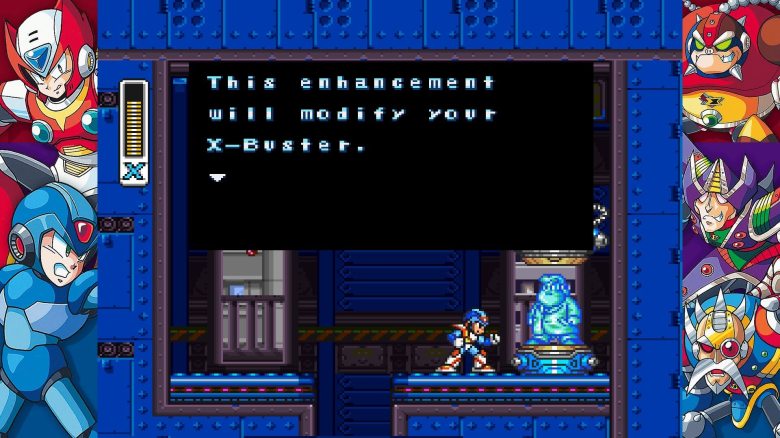
What I remember most was trying to get the upgraded X-Buster from one of the Dr. Light capsules. It’s in Wheel Gator’s stage, early on in a playthrough when you know the proper route. If you don’t have the dash boots, it’s very difficult. It requires jumping off a wall, using Wire Sponge’s hookshot to latch onto an opposing wall and immediately start wall jumping to scale yourself up a vertical path to it.
It took us at least 50 tries before we got it. Ok, wall jump, wall jump, DASH JUMP GO MASH JUMP AGAIN. Darn. Ok, go again. Wall jump, wall jump, JUMP WIRESPONGETHINGYJUMP JUMP. Get up there. GET UP THERE! And so on.
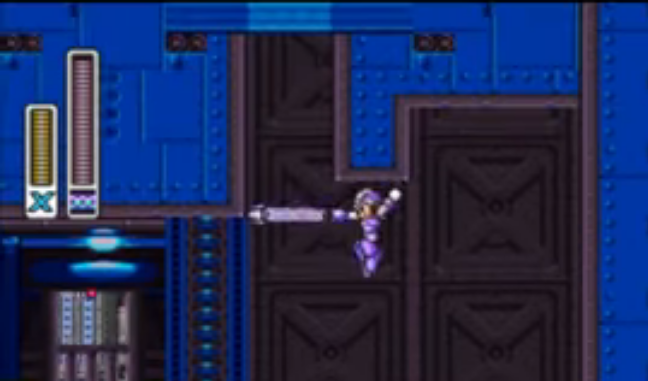
It’s worth every second of effort. With it, you could charge the X-Buster to fire two insanely powerful shots. It decimates enemy defenses and really puts the game on Easy Mode. It’s the most overpowered weapon since the Metal Blade from Mega Man 2. But since we’re on SNES hardware, the colors and sound blow the Metal Blade out of the water. Flashes of blue and pink swirl together as X throws his arm cannon out in front of him. You can use it as much as you’d like, and it doesn’t take long to charge up. The cheers that went up when we finally made that jump made the rest of our successes seem tame by comparison. Plus, that Dr. Light music is smooth as hell.
Every stage was fun, every boss was beautifully designed. The soundtrack is a banger, though not quite as good as previous Mega Mans. Still, “Sigma Battle 2” “Wheel Gator” “First Stage” and “Sigma Stage 1” are right up there with the best of the series. I hope you like synthisized sounding guitar riffs, Capcom games are full of ’em!
Everything looks cool here, every single enemy, every upgrade, every machine-filled room, every cut-scene. It’s dripping in 90s cheese, but I love cheese. There’s no fluff here, no confusion about what to do or where to go. You’re a robot who can dash into the air with impossible speed and crush enemies with ice blasts and bladed wheels. You can scour corners and walls for Heart Tanks. There really is nothing like finally get a health upgrade you’ve been searching high and low for. Because Mega Man X2 delves into permanent upgrades more, it improves the level design. It made us want to back track to previous areas with newly acquired powers, something I’d never even think of doing in a previous Mega Man (well, ok, maybe one…).
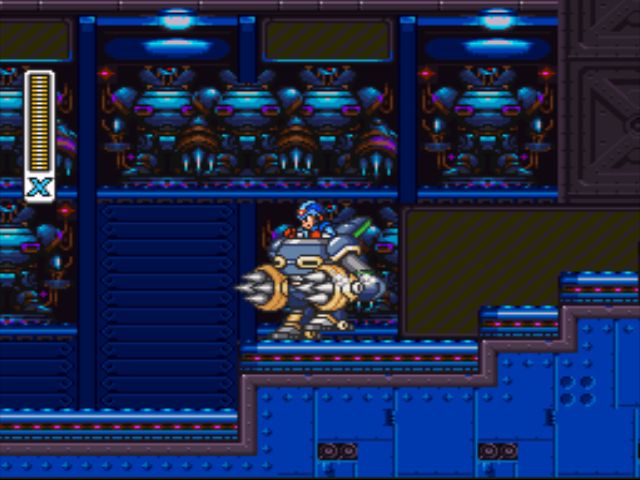
The classic trademarks are still here, as they were in the first Mega Man. Being able to choose which level you go to seems rote now, but it wasn’t so back in the day. Claiming a defeated boss’ power, which is then a hidden weakness for another boss ensures the player would experiment, and then learn which route was optimal. The secret didn’t last long, word of mouth ensured everybody knew to hit Wire Sponge first. Classic platforming perils like spikes, disappearing blocks and a variety of robot enemies to get in your face are all here, just amped up beyond what the NES was capable of. Riding giant mechs, flying through the air on a crashing spaceship, going toe-to-toe with threats of all kind and bouncing up walls are as exciting now as they were in 1994. I will never get over one of the biggest quality of life upgrades, being able to cycle through your acquire weapons with the L+R buttons. It’s so much better than pausing-finding the right weapon-unpausing that trying to go back to that system feels offensive. Being able to charge up boss abilities! Getting the full ending by finding Zero’s parts! It’s all here in one tightly contained package.
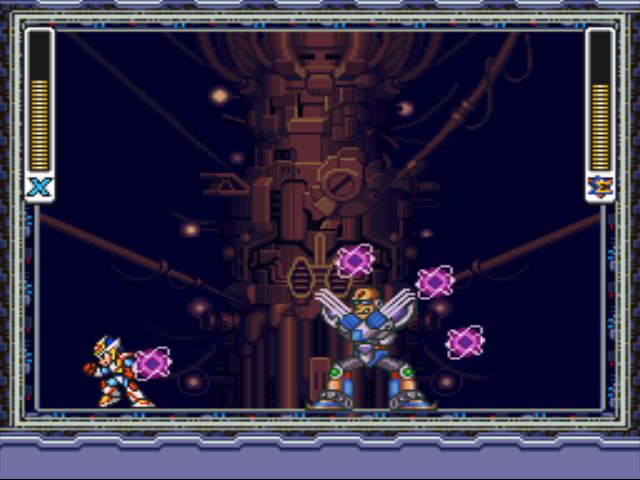
I suppose I can’t expand beyond that because at its core, a Mega Man game’s premise is quite simple. Move, jump, slide, climb, drop, charge, shoot. The fundamentals are from a time when seeing anything on a screen that looked remotely like what the artist intended was a novelty. But the formula was a hit early – players wanted this. They wanted a killer soundtrack, they wanted to die dozens of times before they memorized a stage’s environmental dangers. They wanted to know the exact order to tackle the bosses. They wanted to plunge the proverbial dagger into Dr Wily’s heart. They wanted silly robots, scary robots, any kind of robot really. It’s a franchise that has spread its tendrils well beyond Capcom’s initial expectations with sequels and spin-offs, or entirely different genres. Players can’t seemingly get enough of the Blue Bomber (not from Winnipeg), and I’m one of them. Mega Man X2 is a treasure, a visual spectacle and a treat to control. But mostly because I can still smell the Husain’s cozy, yet spacious basement as the three of us plunked down in front of the TV to see what wizardry Aslam could conjure up as Mega Man X.


 The 500