
Genre: First Person Shooter
Year: 2002
Developed by: Free Radical Design
Published by: Eidos Interactive
Platforms: PS2, Xbox, Gamecube
#194
Feeling Like: TimeSinkers
Oh, how thirsty we were for the next Goldeneye 007 and Halo. Between 1997 and 2002, I don’t think there was a single video game gathering that didn’t have one or both them featured as the main event. It was too easy for everybody to bring an N64 or an Xbox controller over and start up a four player match. Back then, split-screen competitive multiplayer was THE thing, it was our Fortnite or Call of Duty. Online gaming wouldn’t stabilize for a number of years and even then we always preferred to do a LAN with something like Battlefield 1942 instead of attempt to connect four or more computers online.
So, were hungry for any kind of multiplayer shooter and TimeSplitters 2 fit the bill for a very brief period.

God, that main menu theme rocks. Unforgettable.
You could tell Free Radical REALLY took their inspiration from Goldeneye 007 as the first level is a blatant homage (or rip-off, depending on who you ask) to the Dam level. I don’t think we ever did something as groundbreaking as Goldeneye on the Gamecube, but TimeSplitters 2 was clearly trying their best. They DID have a lot of former workers from Rare, after all.
It had all the right ingredients; co-operative play during the campaign, which I really appreciated since there’s no possible way I would’ve made it through the Robot Factory without Vance’s help. The multiplayer modes were expansive and here’s where I get to be old man saying back in my day things were better. This game, and Perfect Dark, are two games off the top of my head that still do multiplayer better than modern games twenty years later. I guess when you don’t have to worry as much about making the graphics virtually lifelike, or cater to the insatiable demands of shareholders, or pumping out a sequel year after year, you can afford to pace yourself and take more chances.
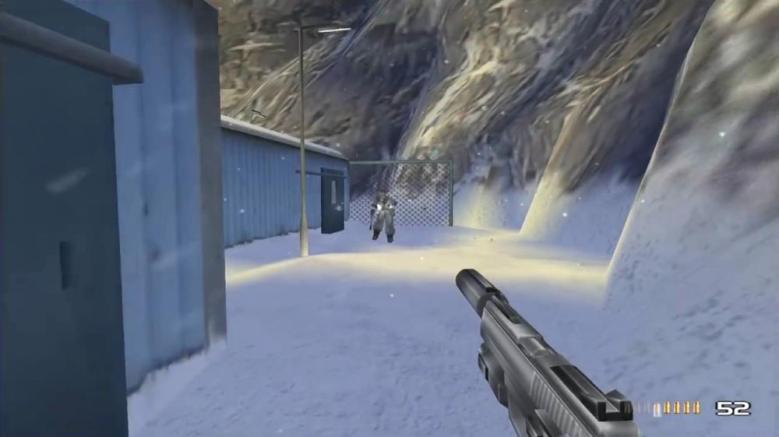
Virus mode was easily my favorite way to spend time in TimeSplitters 2, although I don’t recall if that’s what it’s actually called. The game starts with one player, or bot, infected with a glowing yellow/greenish aura. If they touch anybody, they pass the infection along. Last man/woman standing who isn’t infected wins.
It starts out innocent enough, but it snowballs quickly, as you can imagine. The pure terror of lining up with your buddies awaiting the onslaught of infected sprinting at you feels like something out of 28 Days Later. Matches never lasted more than a few minutes, but it was always a blast trying to survive as long as possible. Unless you started a match and turned a corner into the Virus’d one. Matches that last 4 seconds aren’t fun. Minor quibbles.
The scope and scale of the Arcade mode and challenges outshines even many modern games today, who are obsessed with microtransactions and Battle Passes. Yes, I understand the irony of bemoaning this while working for a gaming company that monetizes players in that way too. But our games are free to play, it makes sense!
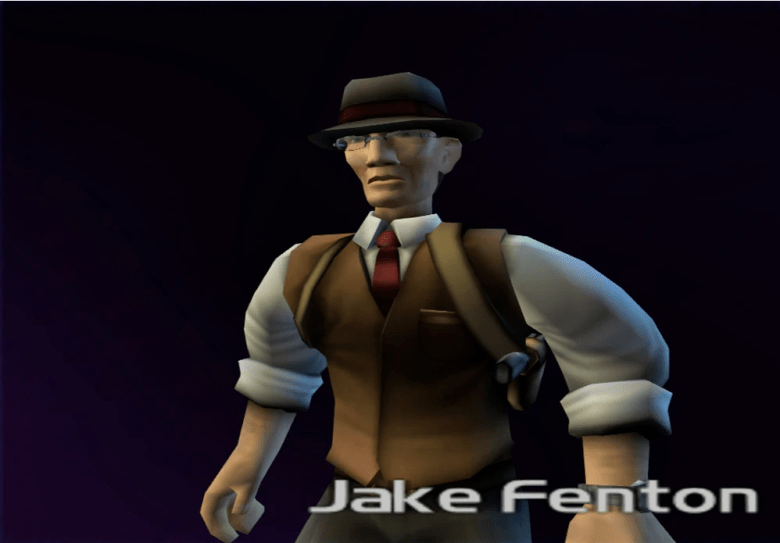
The campaign was great, but uneven. Some levels, like Prohibition-Era Chicago or the 1895 Notre Dame were awesome, the music and atmosphere perfectly aligned with the feel of the world. Even the guns were related to that specific point in time; nothing like gunning down a corrupt mob boss as Jake Fenton with a Tommy Gun! But the futuristic levels were brutal, the guns rarely packed the punch I needed and I fell to the swarm of robots/aliens often.
It’s a peculiar game, a nice snapshot in time. It didn’t have the innovation, or the “wow” factor of earlier console shooters and it was too early to capitalize on the Call of Duty 4: Modern Warfare craze. And it wasn’t available for PC. It was also a sci-fi shooter which came out five years before BioShock paved the way. In retrospect, it had a lot going against it which is probably why you don’t hear a ton about it.
But, for Scott and a few other buddies, the frantic multiplayer and co-operative campaign was more than enough to make it a worthy purchase and addition to the 500.
 The 500