It’s been over a year since I last updated the blog. I wish I could say I missed the frequent entries, but I don’t feel that way. It could be that I’m writing this while battling my second stint of Covid, or that I had such a surge of productivity in 2023 that I burned myself out. Other priorities orbit my mind – I scored a role in an upcoming play at Langham Court Theatre, so learning lines is of the utmost importance. Work dominates the week. I’ve re-written this opening paragraph three times and still can’t get it right.
Regardless, a Top 10 is always an exciting piece to work on. This will be my 10th time, which means dollerz.com has been live for 10 years. That’s enough to make me smile, and possibly do a ranking of every Top 10 game in the About section.
At first glance, I didn’t play that many games in 2024. I suppose “that many” is a cop-out since the amount of releases these days are staggering – Gamespot lists 48 alone in January. It’s a fool’s errand to think I will have to time to sample them all, particularly since I tend to play to completion. As long as I have a robust enough list to make a compelling Top 10, I’m laughing.
In 2024, I’m laughing quite a bit. Besides Indiana Jones and the Great Circle and UFO 50 my list of shame was rather bare. What I did indulge in was an abundance of RPGs, a genre I simply cannot resist.
Actually, now that I think about it, the amount I played this year may have something to do with my general ennui – one can only play so many 70 hour epics before you start to crave a more lean meal. The average time spent on games on the Top 10 this year was 54 hours and while the journeys were wonderful, they were also exhausting.
Still, no regrets. A terrific year, a terrific list. Here’s to you, dear reader, and here’s looking forward to 2025!
10)
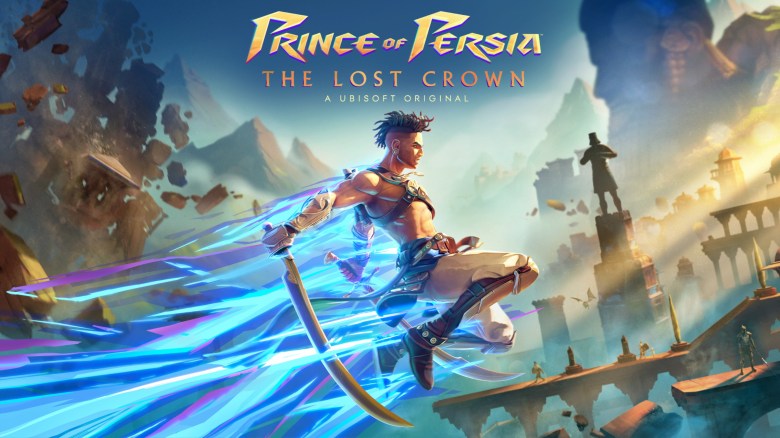
When I think of Prince of Persia, I don’t think of Sands of Time, or the movie but rather Aslam shimmying through the various traps and pitfalls on their PC at Queen Anne Heights. Whenever I have that type of connection, I’m going to be naturally predisposed to liking the source material. I went in with optimism.
That attitude was shattered in the first few hours. I couldn’t believe how difficult it was. Metroidvanias typically aren’t this punishing right off the bat, and even the most basic of grunts were wiping out my health on the main drag.
Bit by bit, I managed to get a few upgrades and make minimal progress. Once the combos were learned and the enemy attack patterns were understood, the game opened up and I was hooked.
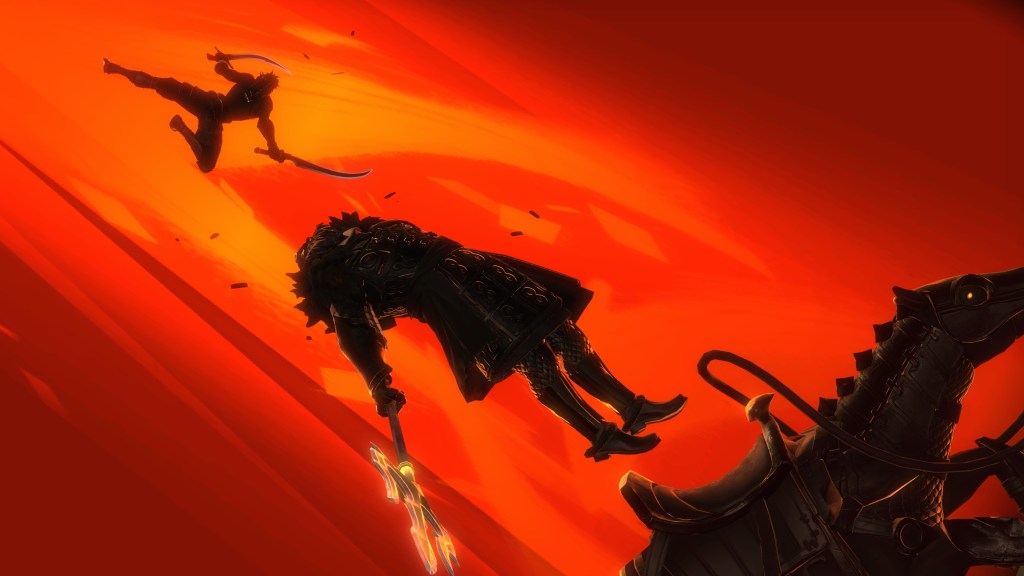
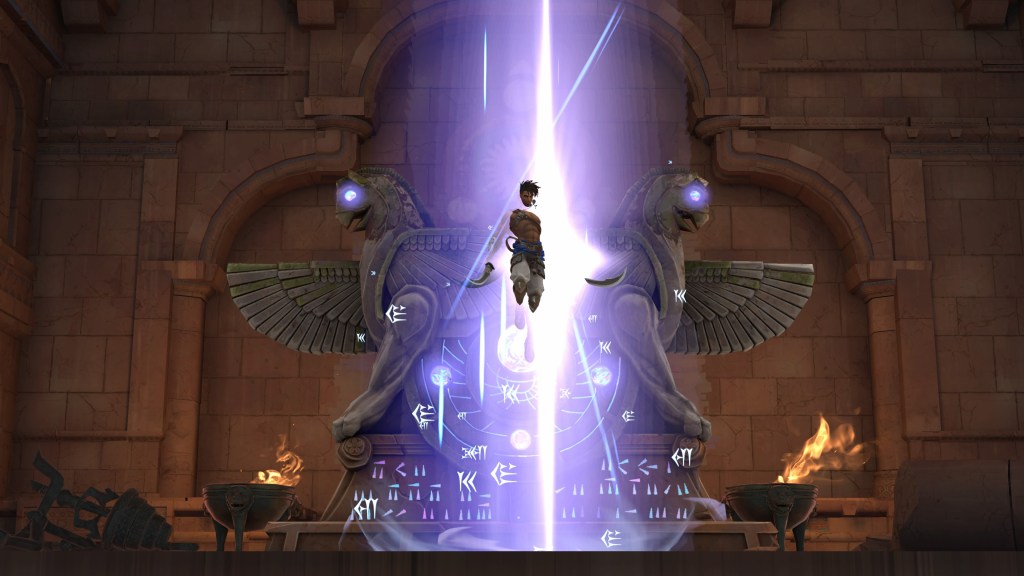
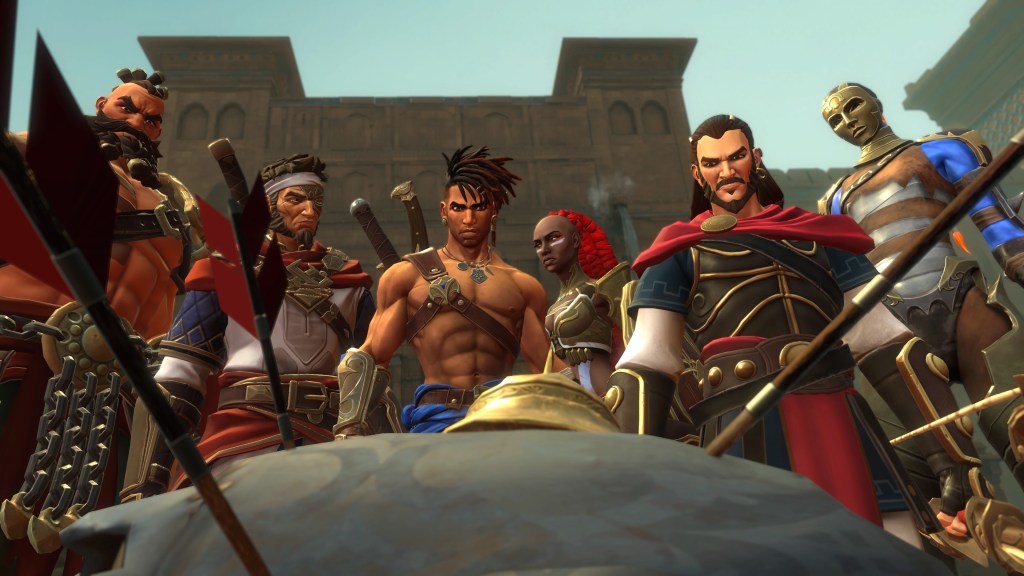
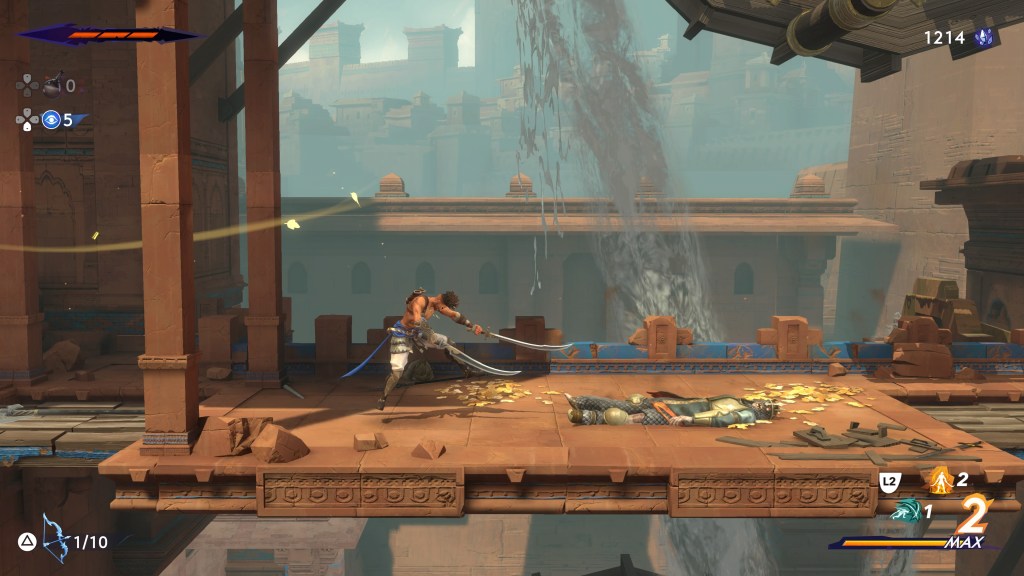
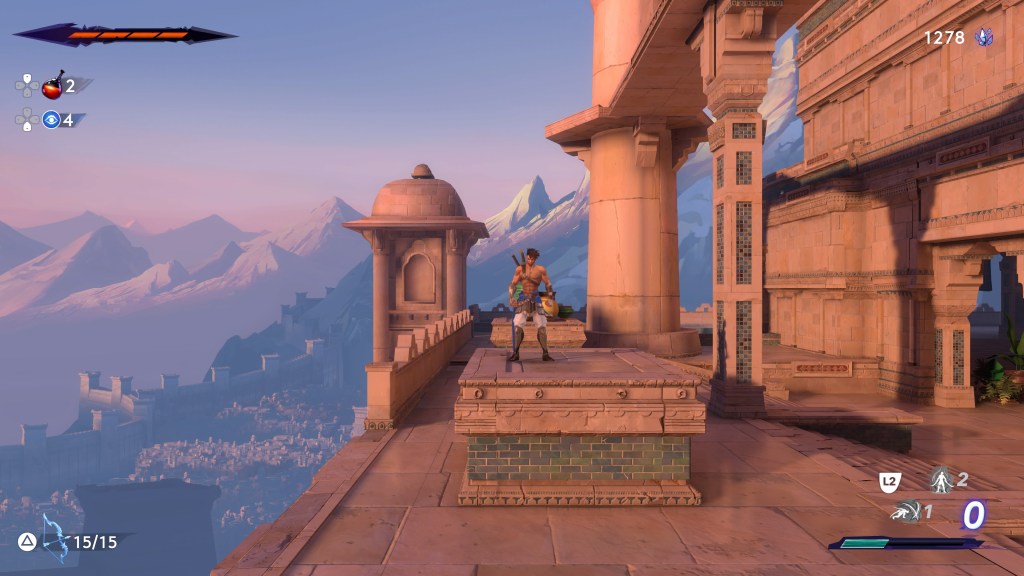
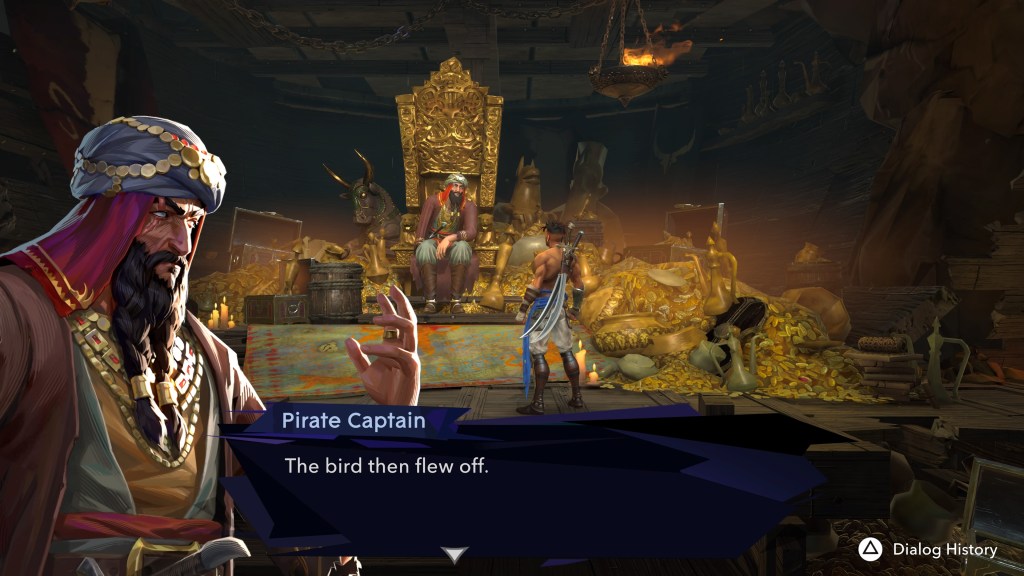
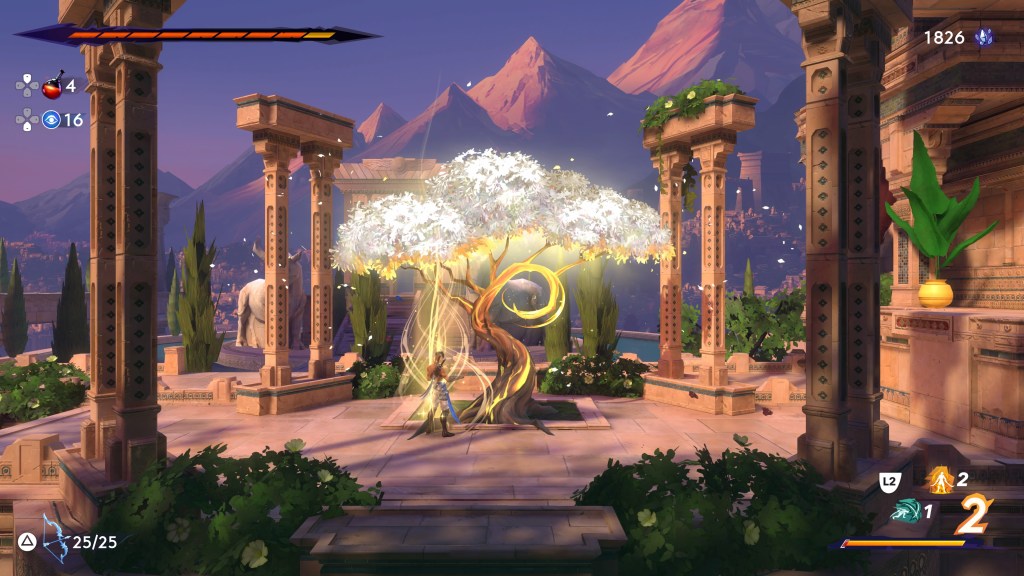
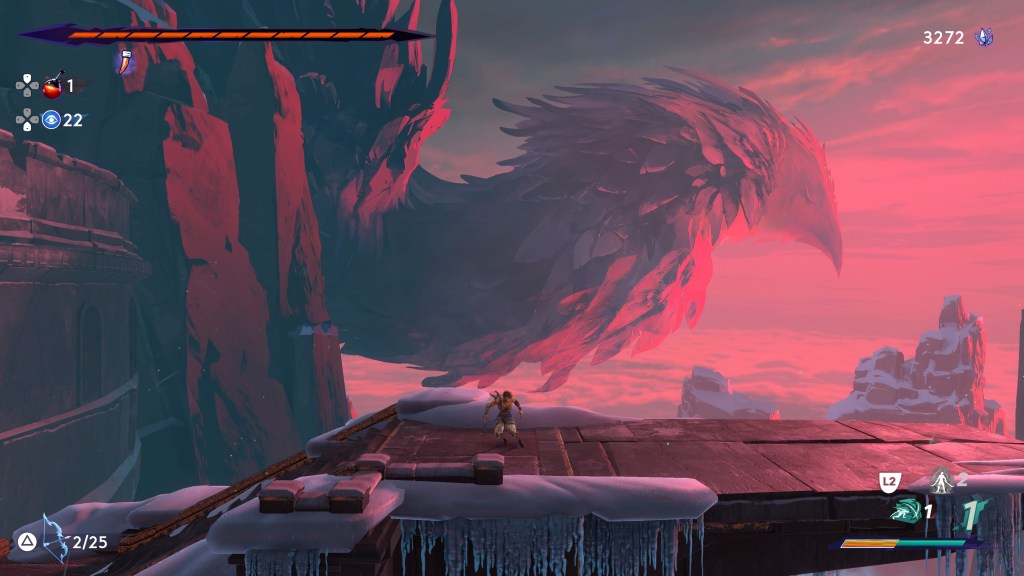
If there’s one mechanic a Metroidvania needs to get right is traversal. If you’re going to ask a player to backtrack into previously explored locations, you better make it easier and quicker to do so than the initial foray and thankfully The Lost Crown nailed that aspect. Platforming around even the most devious traps feels doable thanks to the tight controls and a handy map. The “picture” mode is immensely useful, one I’d like to see others adopt – I can’t tell you how many times I unlock something and remember that “a” place required that upgrade to progress, but not “which” place and this solves that. Wonderful.
There aren’t quite enough fast travel points for my liking and it’s too long by a few hours, but those are about the only complaints I have. It’s sad to see this team disbanded as sales weren’t high enough to satiate Ubisoft. A story all too common in the industry, though I tried to do my part in helping Sargon on his quest.
9)
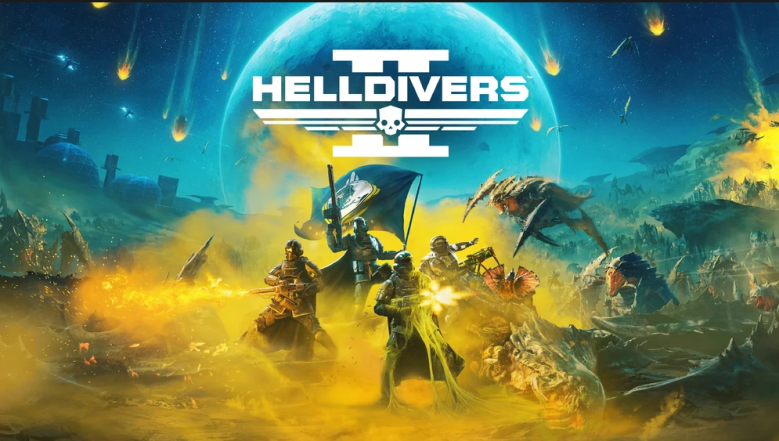
Even though I’ve sunk 15 hours into Helldivers 2, I feel like I never gave it a fair enough shake. The intricacies, updates, which guns do what, what the new event is and other minutia totally escape me. I was wholly reliant on Eric, Mitch, Chris and Ryan to guide me through and thankfully this is the kind of game where I can take months off, come back and still have a blast.
This is the Starship Troopers game we always wanted. The graphics may not be the “best” out there, but I dare you to find me a game with more beautiful explosion effects. The dusty haze and fire in the sky created some truly spectacular tableaus. The action is frantic and chaotic and the real fun begins when shit hits the fan and you’re all screaming at each other to get to various locations, shoot various things and laugh about it after.
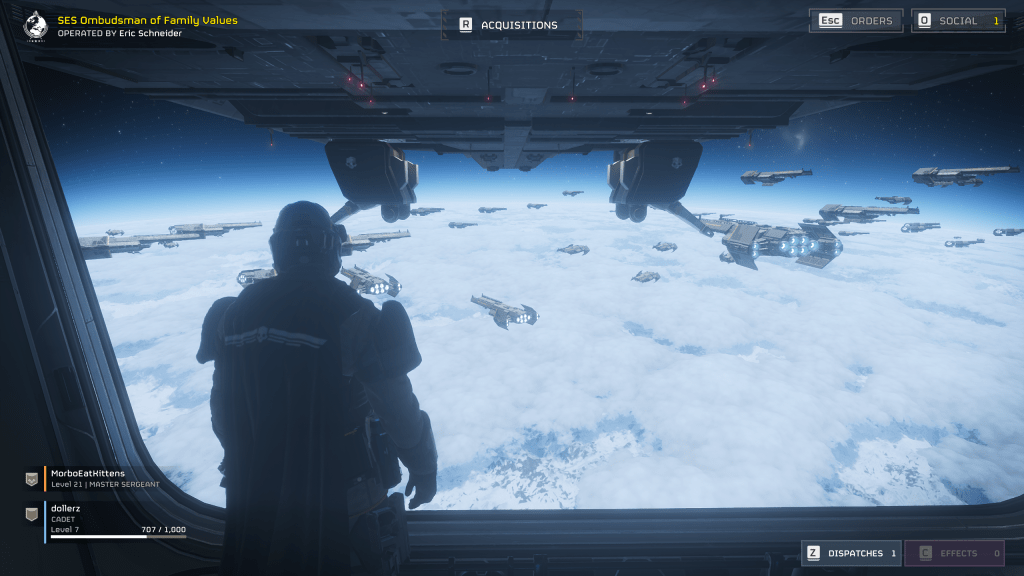
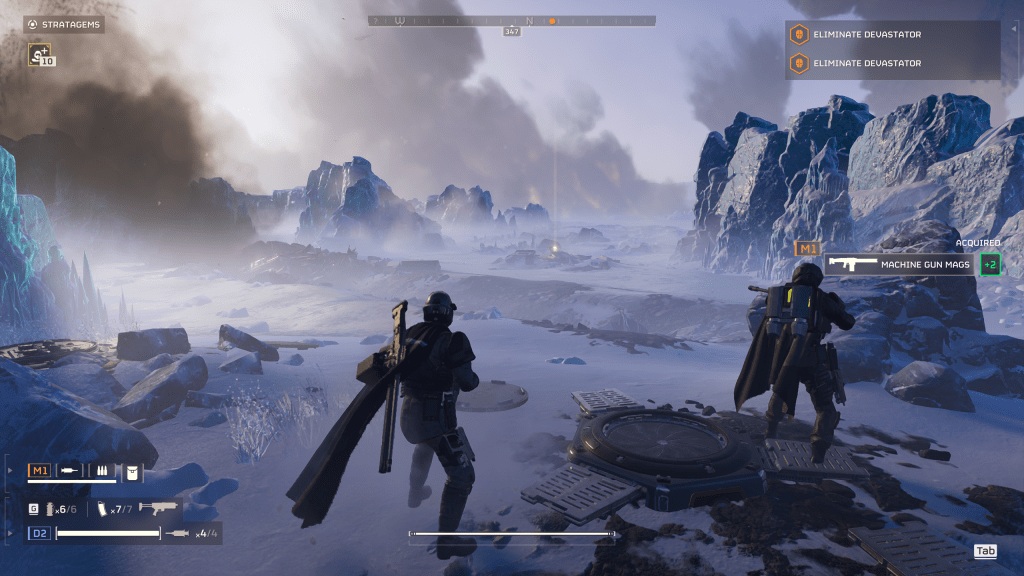

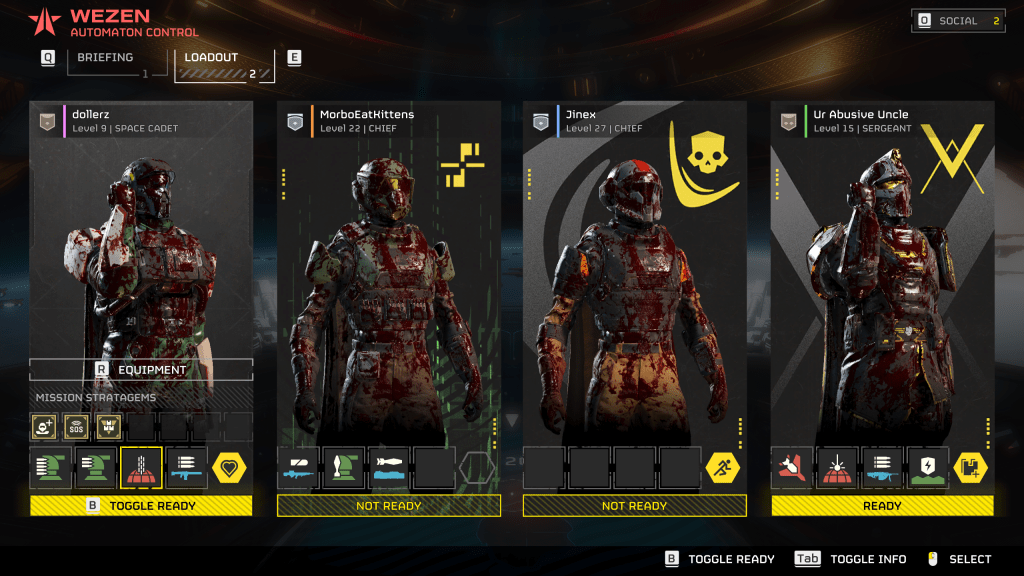
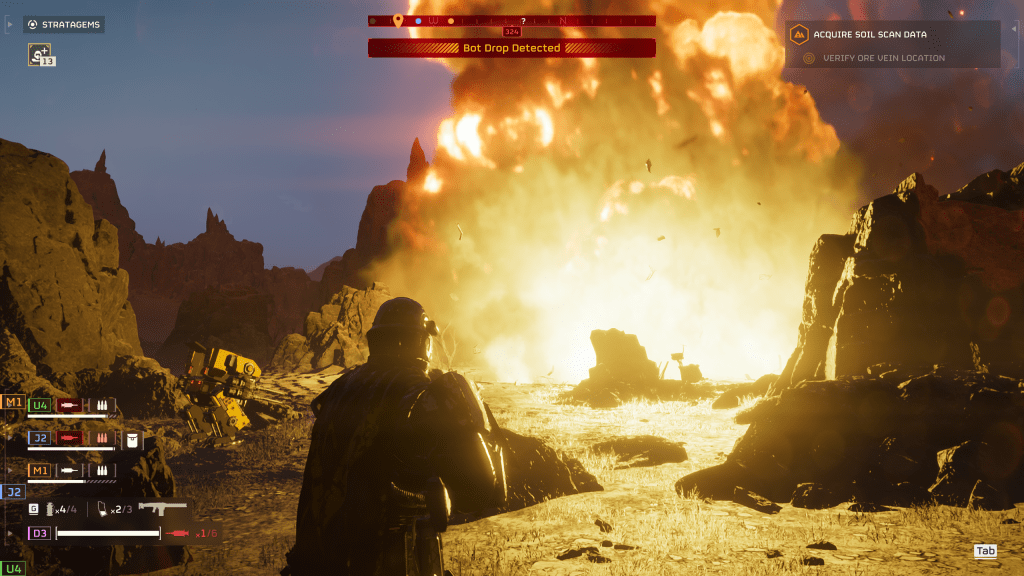
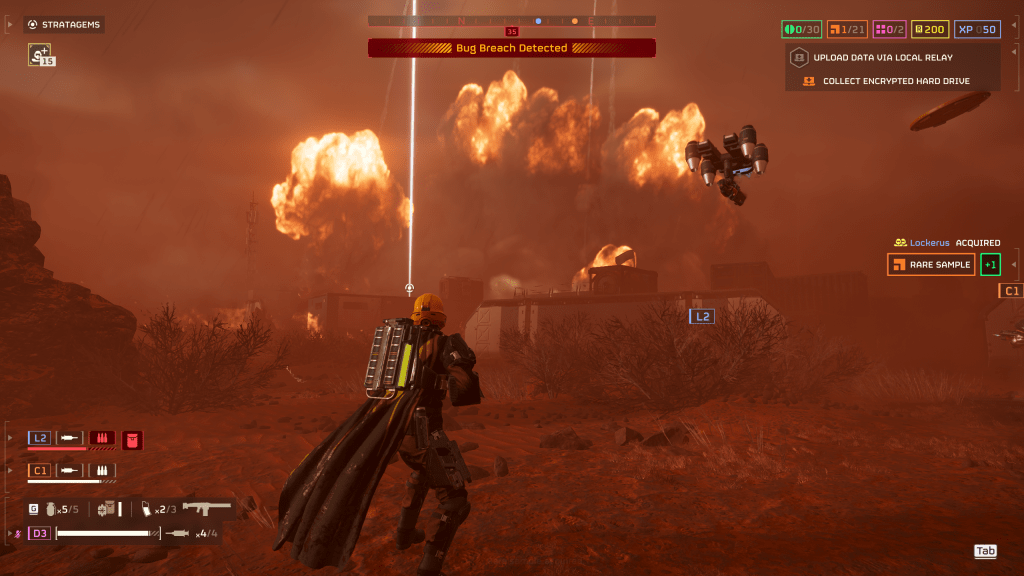
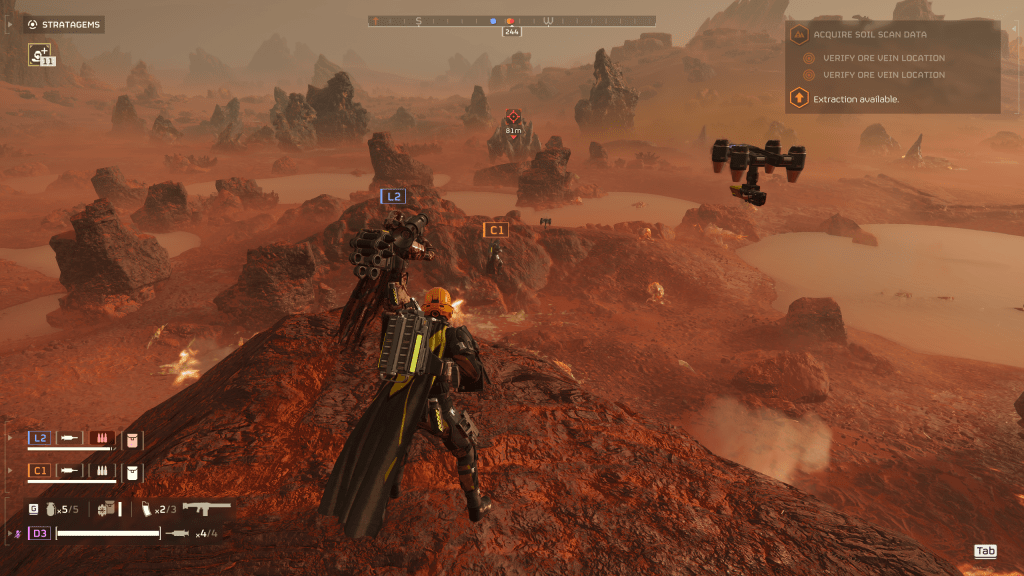
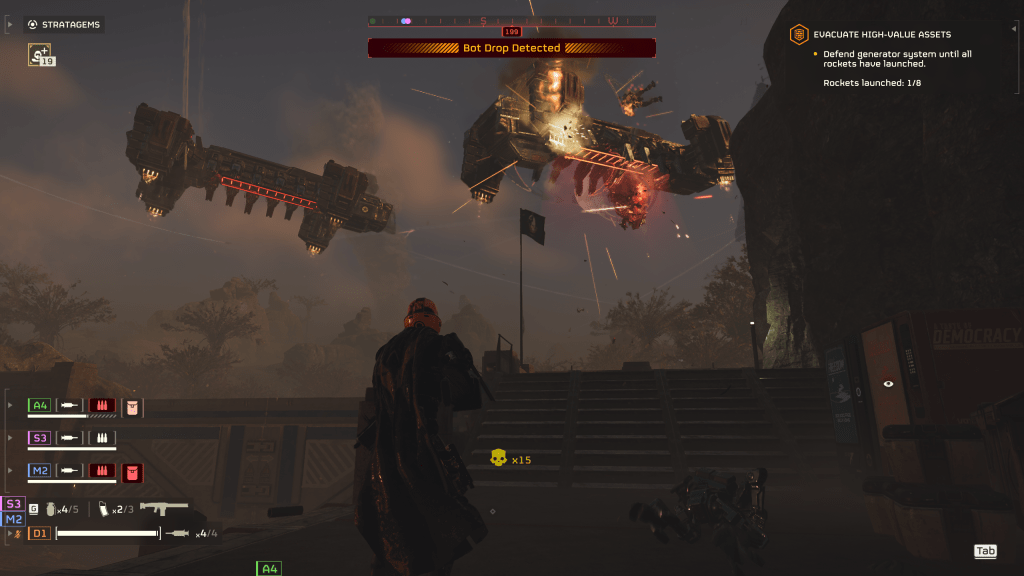
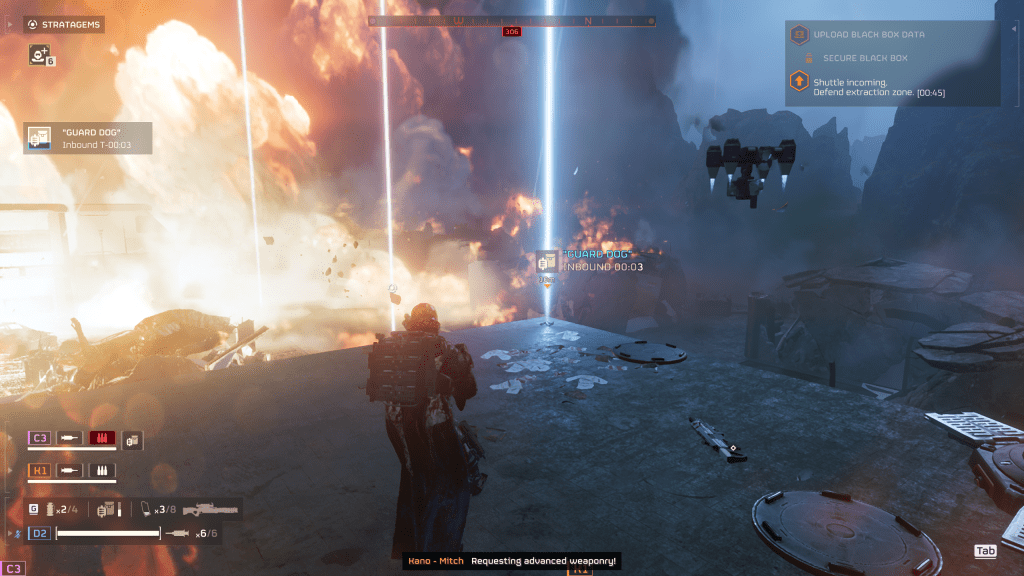
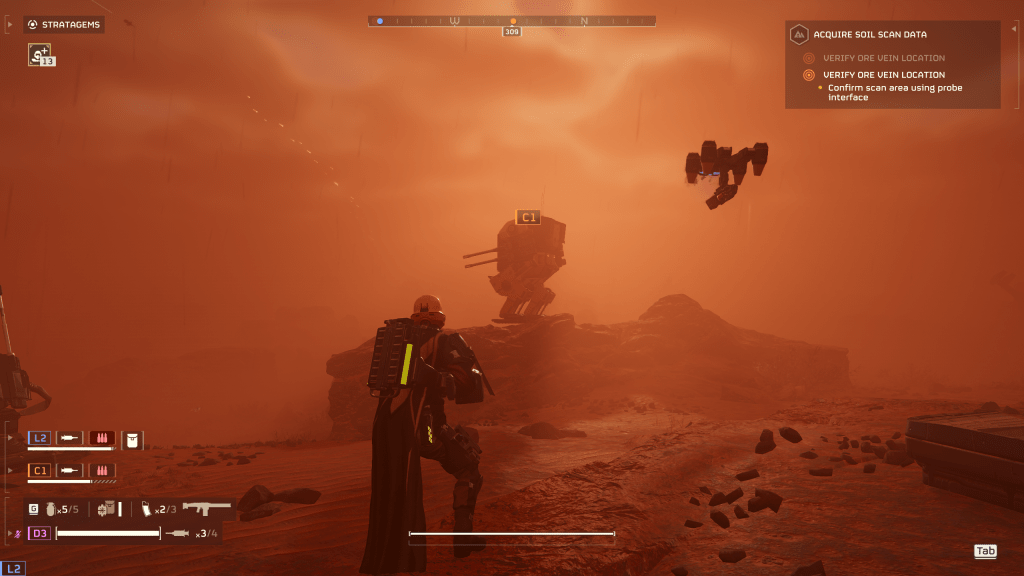
The game’s wicked sense of humor is sprinkled throughout. The opening cinematic still makes me laugh, and phrases like “Liber-tea!” and “spreading democracy” quick snuck themselves into dialogue among us.
It may wear its inspirations on its sleeve, but with a game like Helldivers 2 it springs to mind why did it take so long to make something like this? The netcode is incredibly well designed and joining up with a group is as easy a process as it should be. We all like shooting aliens with our friends, so what makes Helldivers 2 the surprise hit of the year? Is it as simple as the call downs? Probably the best in-mechanic mini-game since the active reload, pressing various buttons in a sequential order to bring down impossibly devastating aerial strikes or much needed equipment is thrilling. Doubly so when you’re swarmed by monsters, robots and aliens and you’re low on ammo and where the hell is the drop ship and oh my Democracy, I just died can somebody revive me?
All of a sudden, 15 hours doesn’t seem like nearly enough. Arrowhead has come a long way since Magicka.
8)
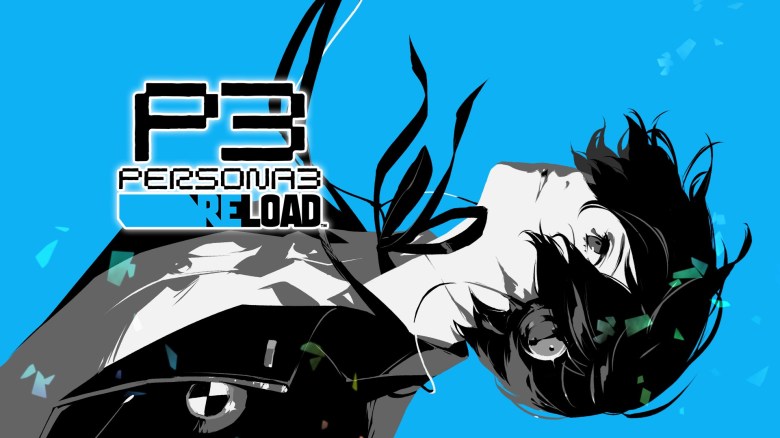
Here we go, our first JRPG on the list. After 68 hours, it was easy to see why this was so well received. It also confirmed my notion that when it comes to playing older RPGs, I simply must wait for the updated version. If I’m going to spend this much time on a game, the quality of life updates and lightning quick load times better be there. I don’t think it’s a matter of being impatient, it’s a matter of minimizing the grind, or trimming the fat off a gargantuan steak.
It was a challenge not to compare it to Persona 5. While the quality battle system, Personas and style are all here, the soundtrack is the one glaring standout – it’s nowhere near as memorable. Maybe that shouldn’t make much difference, but it did.
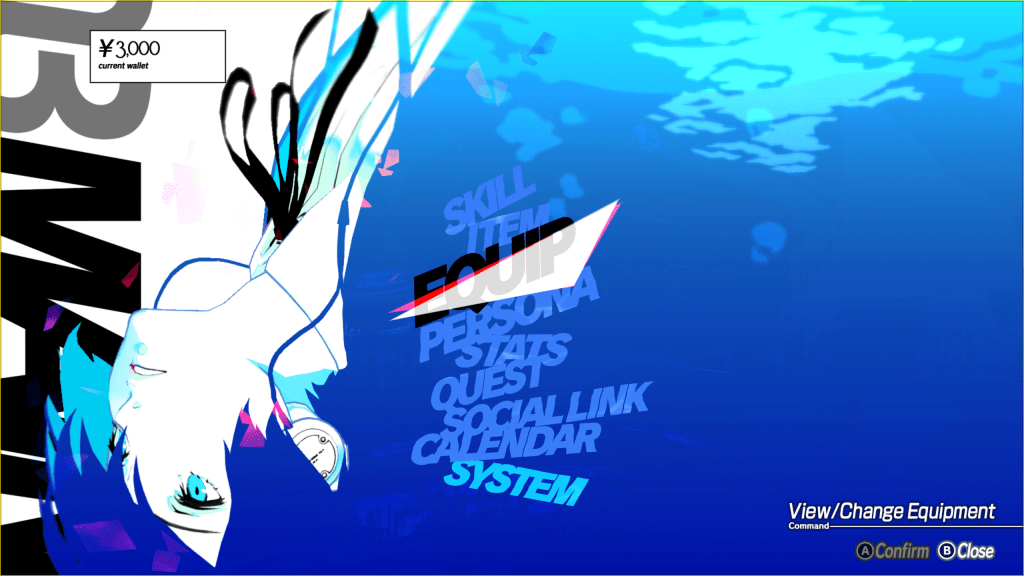
Still, it’s hardly a blemish on a spectacular remake. Menus are, naturally, a wonder to look at. The first time I brought it up, I audibly gasped. I was so stunned by the colors and font, I could barely navigate my way through.
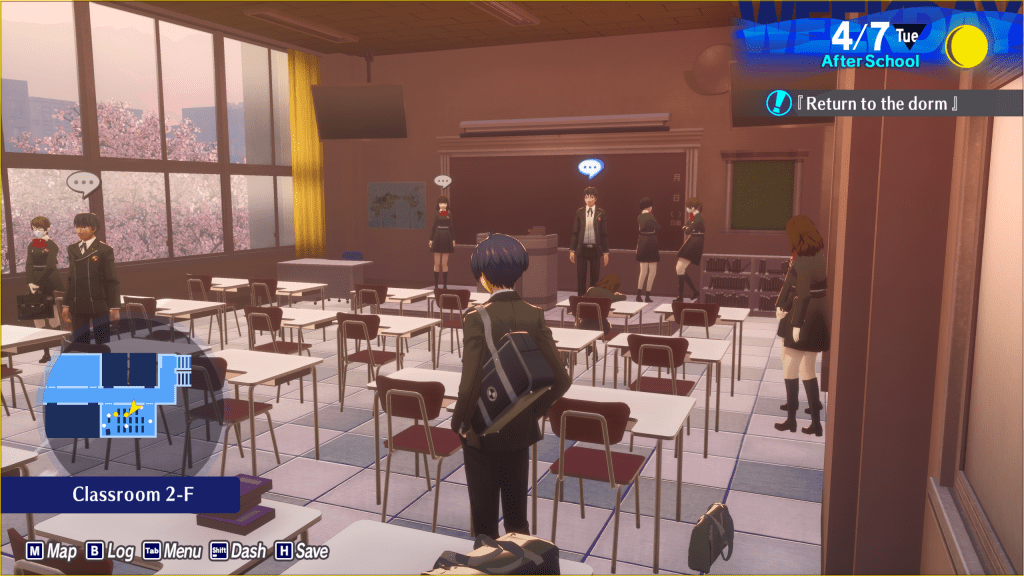
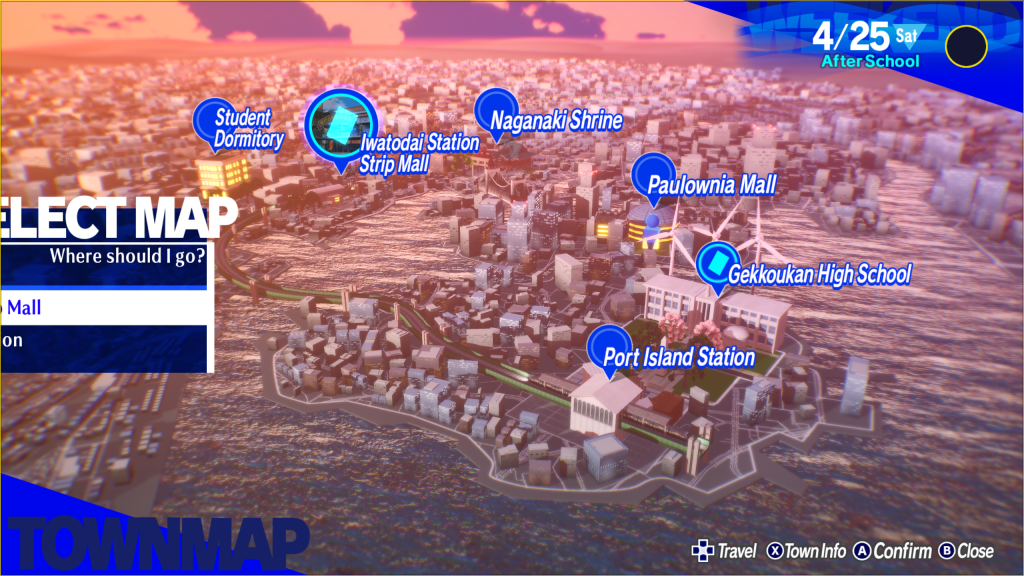
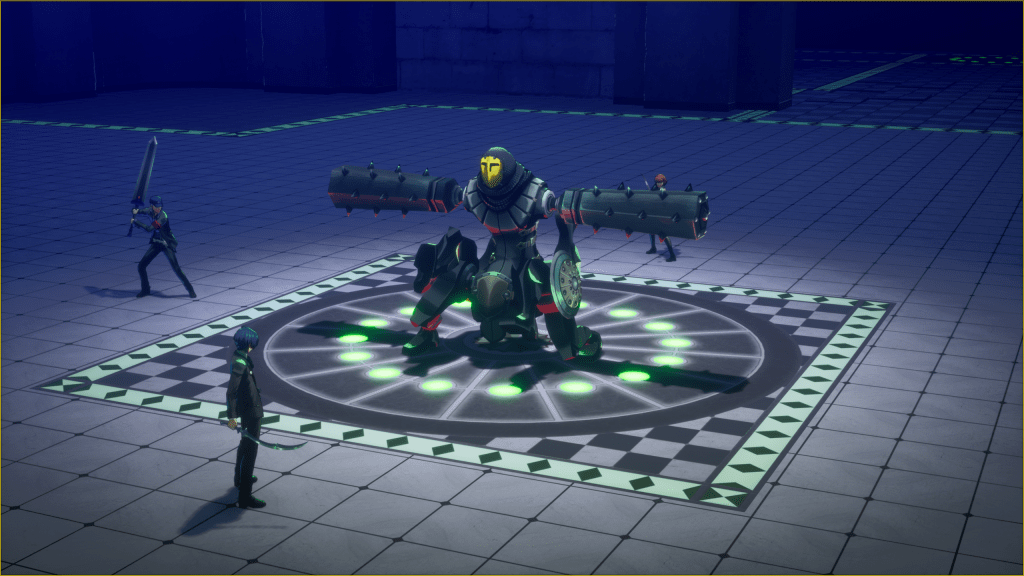
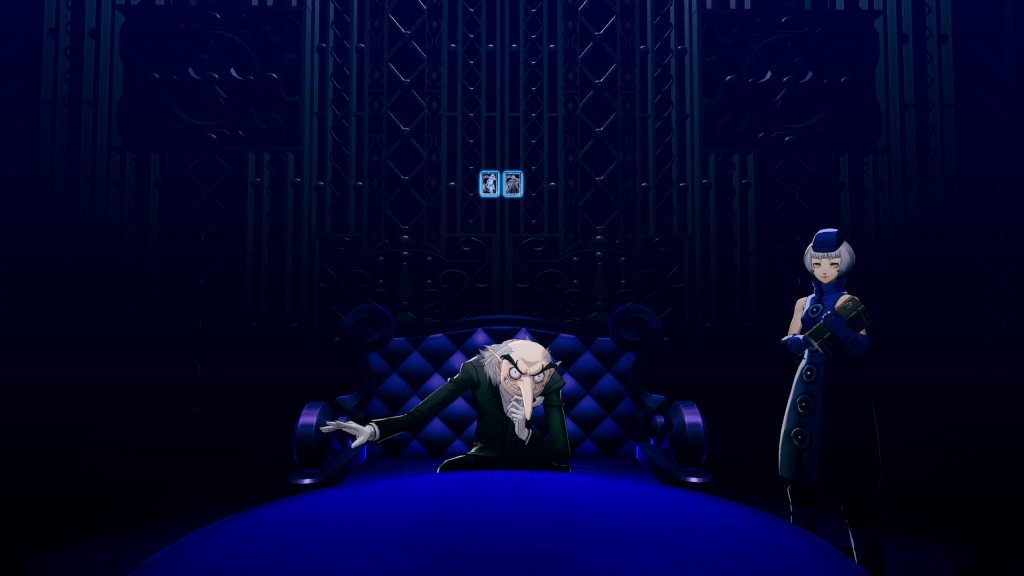
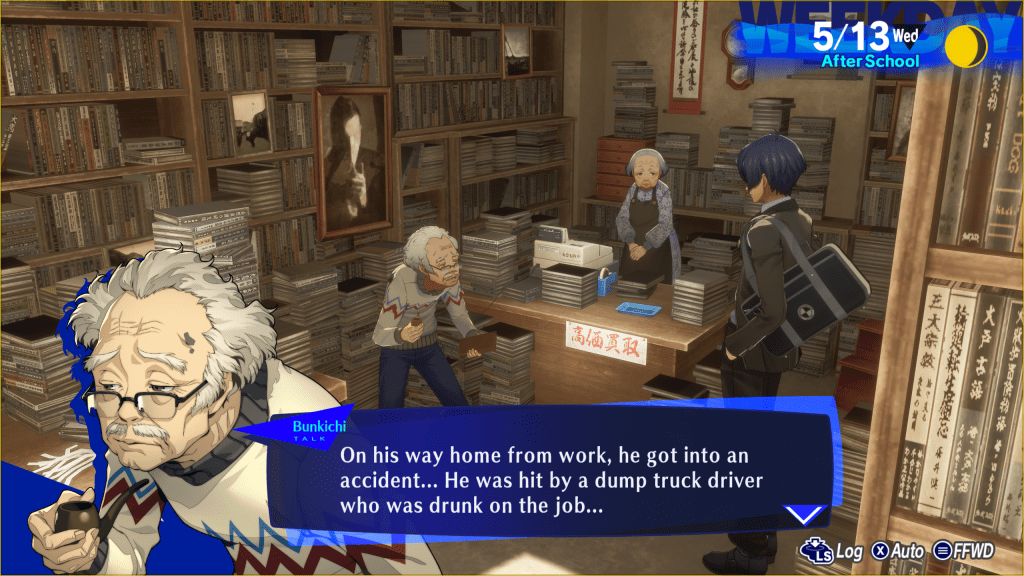
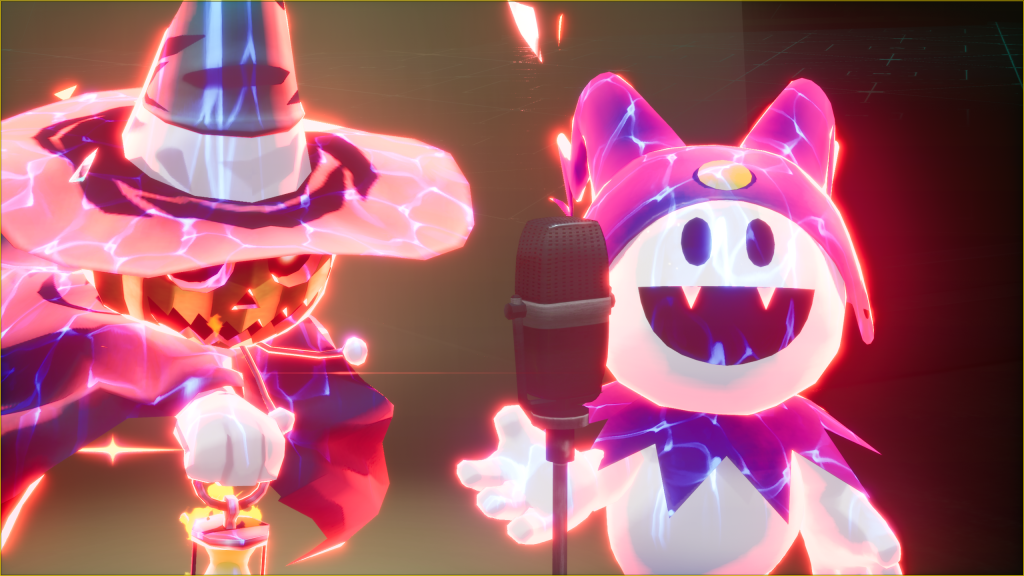
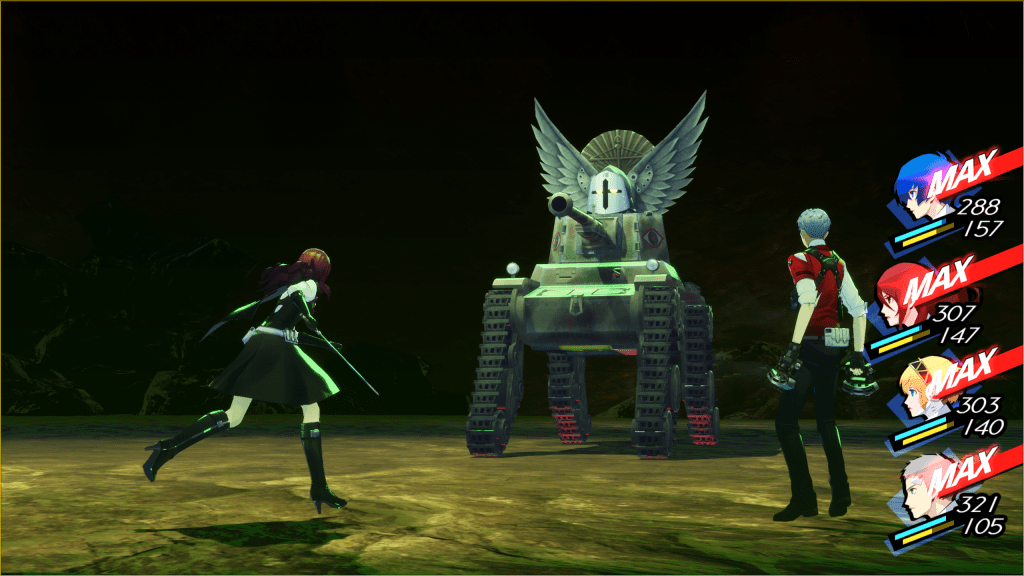
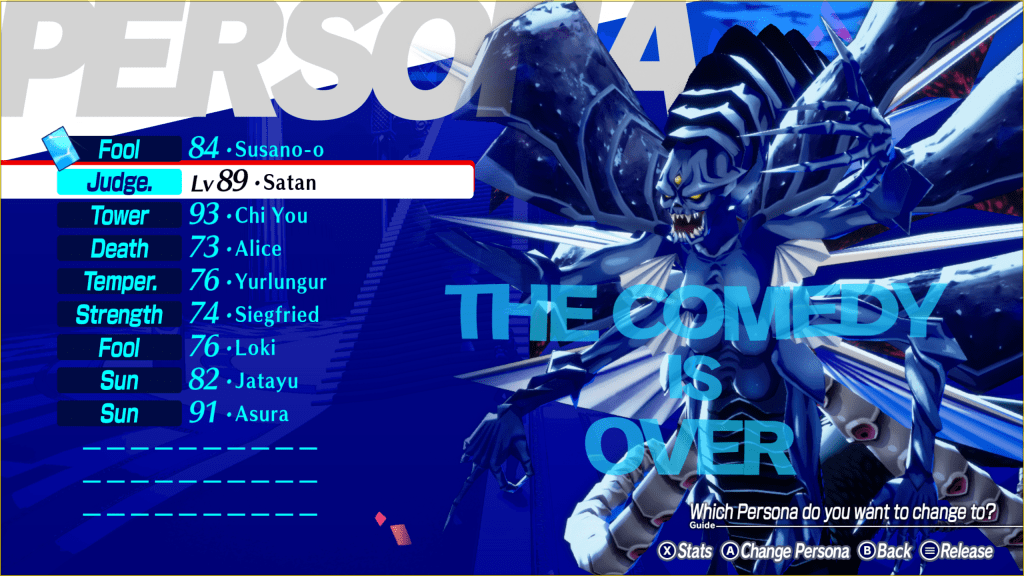
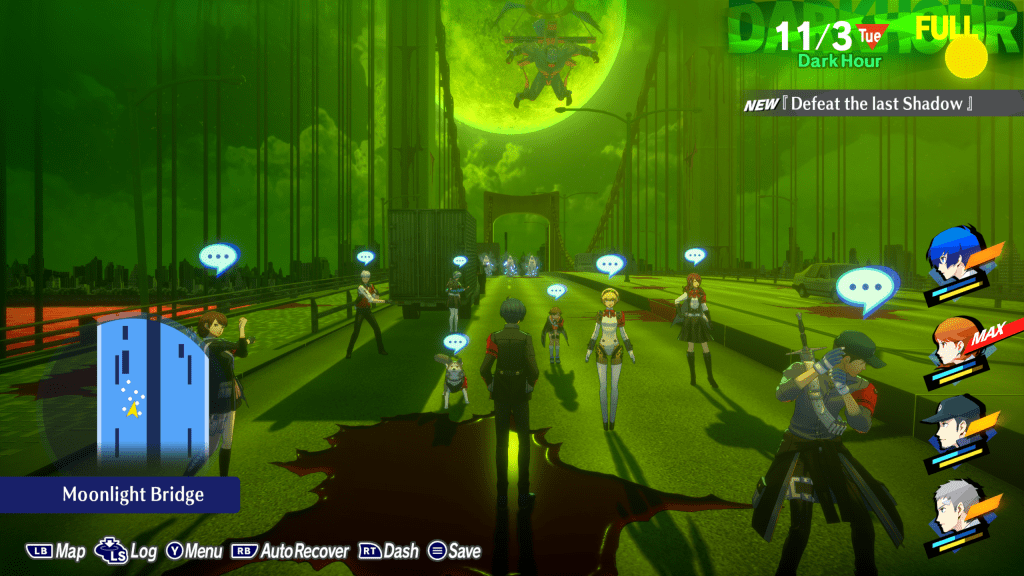
While you and your squadmates have that plucky, never-say-die attitude, the game’s tone is incredibly dark. The frequently visited Tartarus dungeon may be repetitive for some, but the changing landscape, enemy variety and challenge more than kept my interest. Going out on the town at night and seeing coffins where there used to be a bustling town filled with well-meaning people is unsettling. Persona 3 finishes as strongly as it starts too; the epilogue doesn’t wimp out on bigger emotional moments. This isn’t the type of game I’d recommend to just anybody, but there’s obviously a big enough crowd to warrant frequent attention to the franchise. Can’t wait for Persona 6!
7)
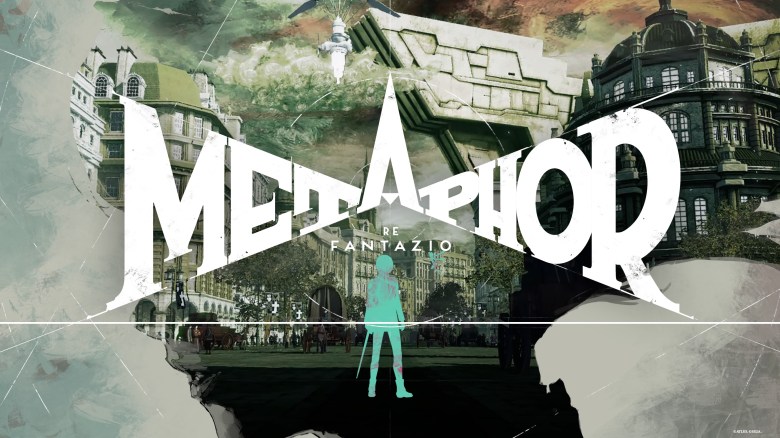
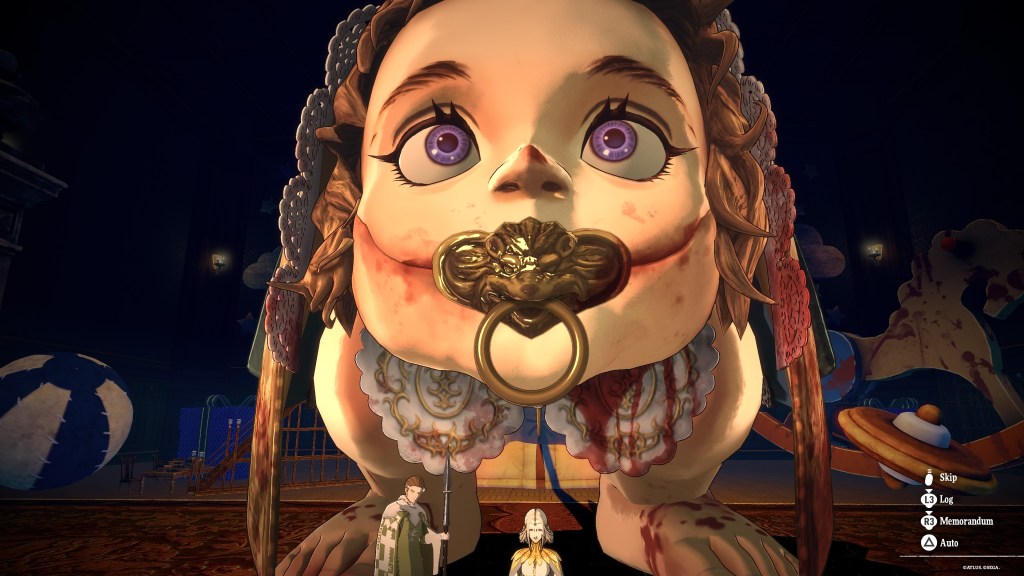
From a Persona remake to a Persona-style game in a fantasy setting! Metaphor: ReFantazio takes the formula, adds a job system and plunks you down in a wholly original fantasy world – no small task, these days. The King is assassinated and the heir will be decided by a popularity contest that depicts the leaders in a ….rock? And there’s a big moon hovering over the land with the dead King’s spirit in it? And…”humans” are the monsters, pure nightmare fuel that you must overcome and uncover the mystery behind?
It’s a strange game, undoubtedly and a bit ugly at first. Gone are the sleek lining and vibrant colors from the Persona series, instead we have grimy greens and browns. Going into a busy town means you’re bombarded with villager comments. I wasn’t a fan of how often I was presented with a loading screen to go into a new building, or area. During the early stages I wasn’t feeling the pull I had with P-Studio’s previous creations.
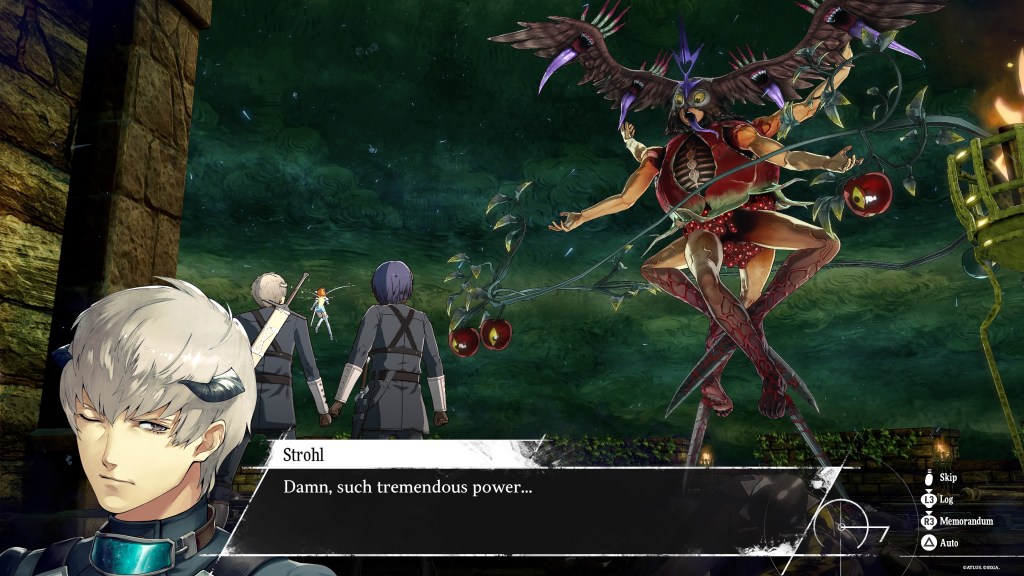
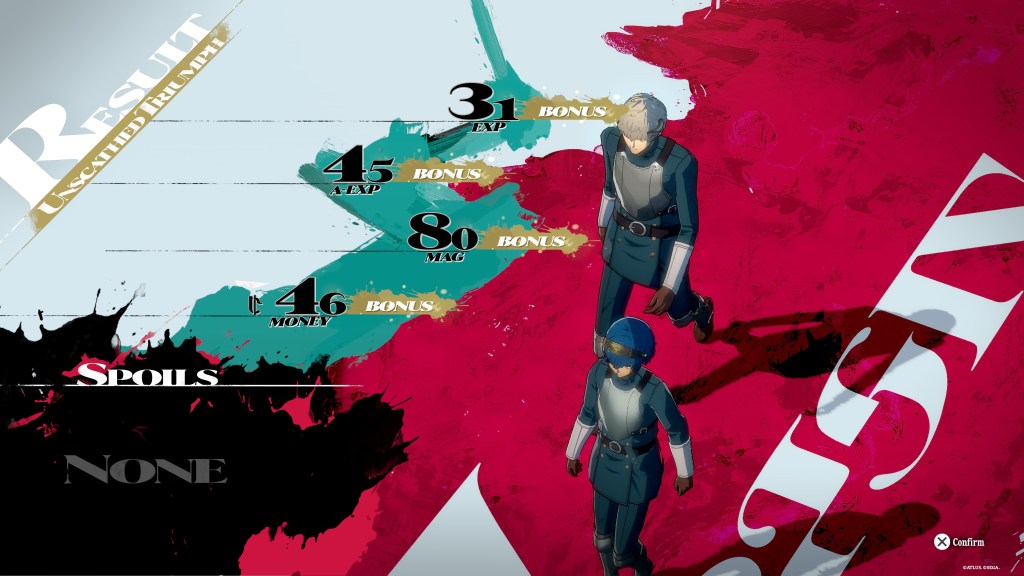


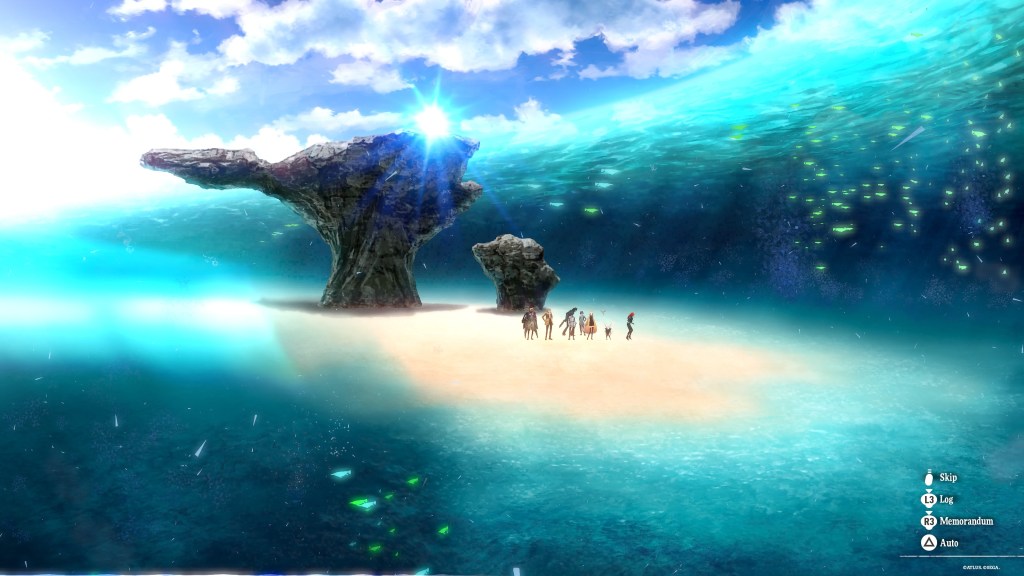

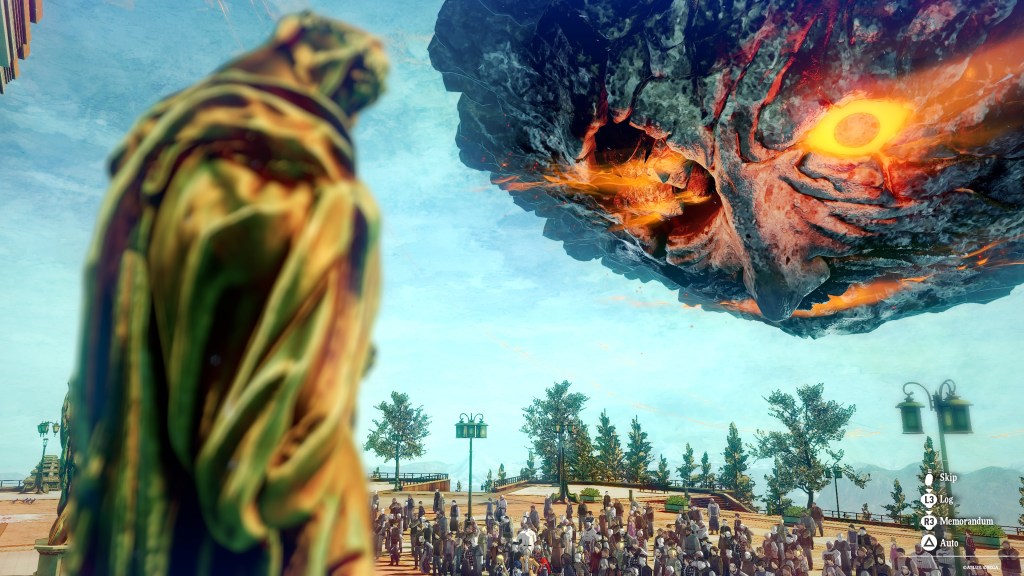


However, once I met Heismay, the game’s best character by far, my enjoyment really ramped up. The multiple jobs you get access to, and a fourth party member meant customization and freedom in battle skyrocketed. Carrying over other skills from previously learned Archetypes was an enjoyable puzzle in itself. Locations became far more pleasing to the eye. The difficulty stayed high throughout, but was more palatable with each passing hour. The day/calendar system meant that while there was time for idling, I had to be mega cautious about how to spend my time. It felt more restrictive than usual, I was often flummoxed at how often the game would nudge me in a direction and not let me go in the other. Rats.
Regardless, there’s a reason Metaphor: ReFantazio won game of the year with so many publications. The story is ambitious, your party members are fleshed out, the combat is sublime and the Archetypes and their moveset are plentiful. And Heismay. This little bat dad ninja is the star of the show – his backstory is tragic, and how you find him reminded me of finding Garrus again in Mass Effect 2. I would never have defeated the final boss without his legendary dodging skills.
There’s enough horror, conflict and joy to satisfy even the most fervent fan of JRPGs. Blasting through 80 hours in a month must have been mildly detrimental to my health, but I couldn’t help myself.
6)

I don’t normally jump into a series this late, but hearing of the praise showered upon Like a Dragon: Infinite Wealth, I couldn’t help myself. They all said Ichiban Kasuga was one of gaming’s great protagonists; they were bang on. The Hawaiian setting drew me in – both trips to Maui and the Big Island with my wife are life highlights. The cherry on the cake was that the series had switched to a turn-based combat system in the previous iteration. The deck seemed stacked in my favor.
It was.

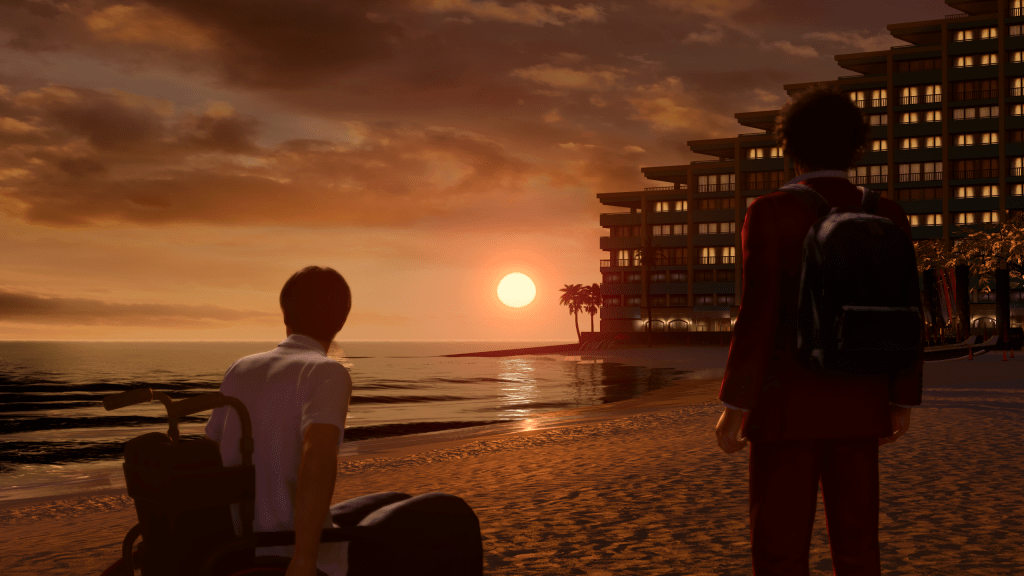
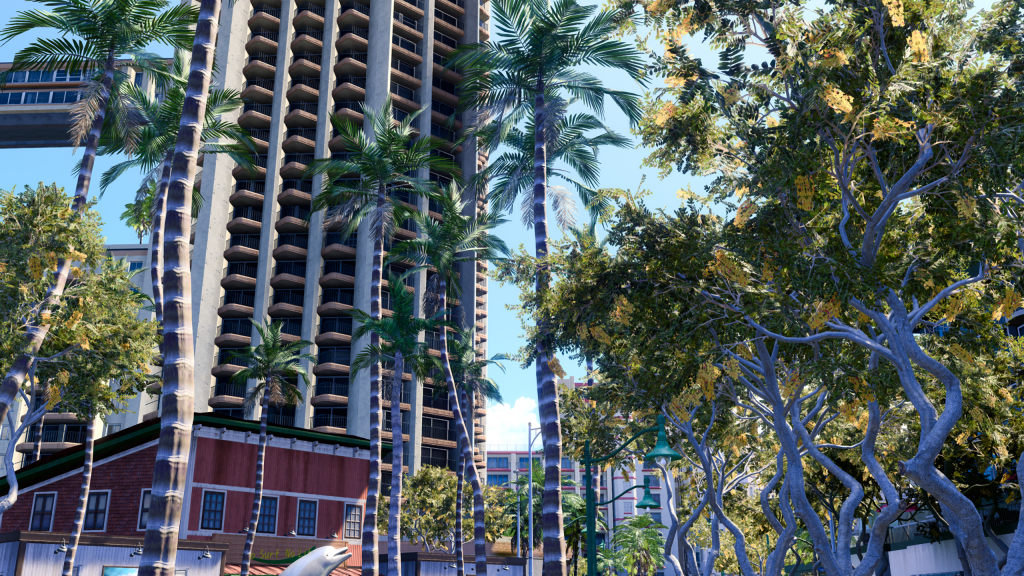
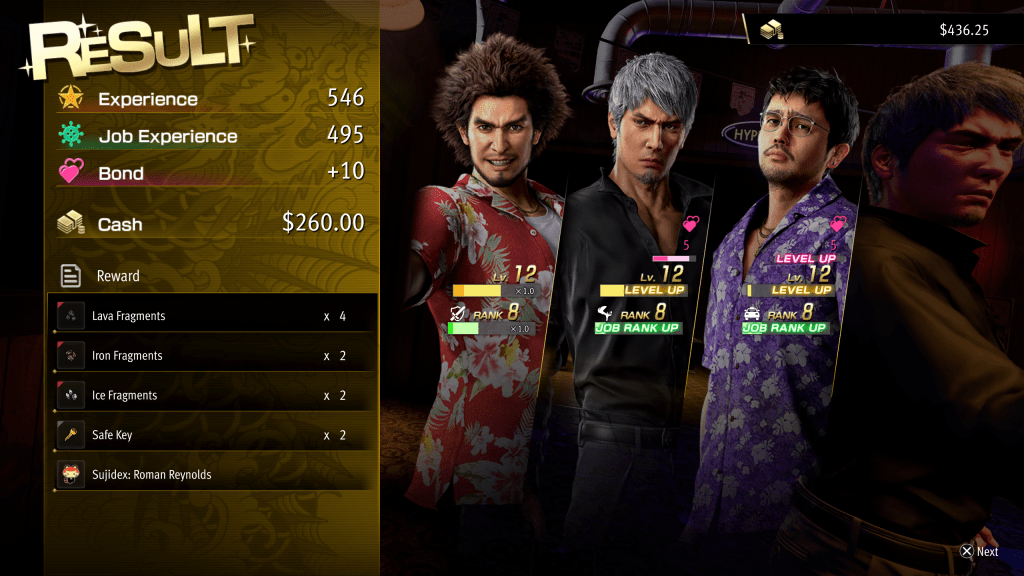
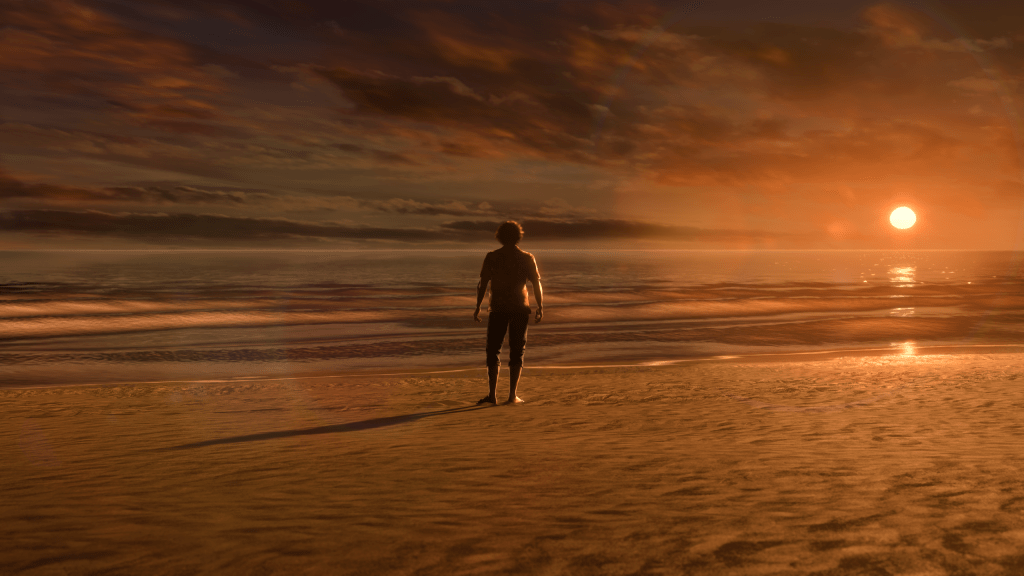
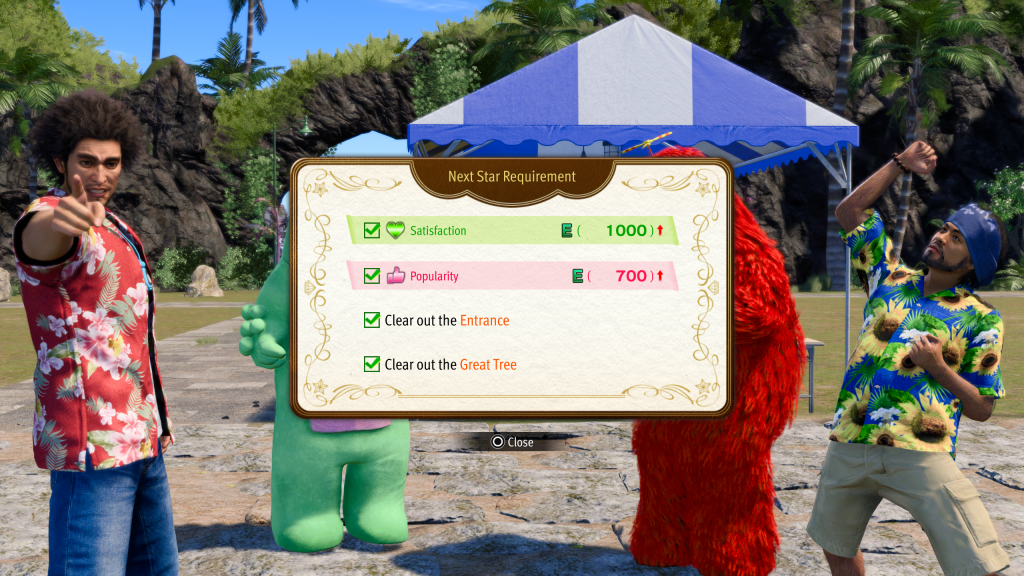
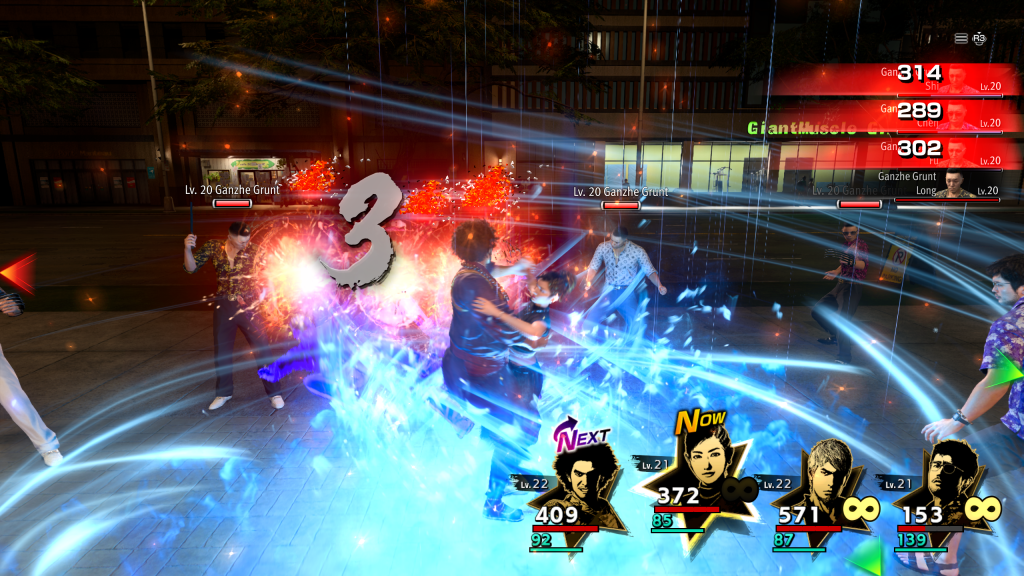
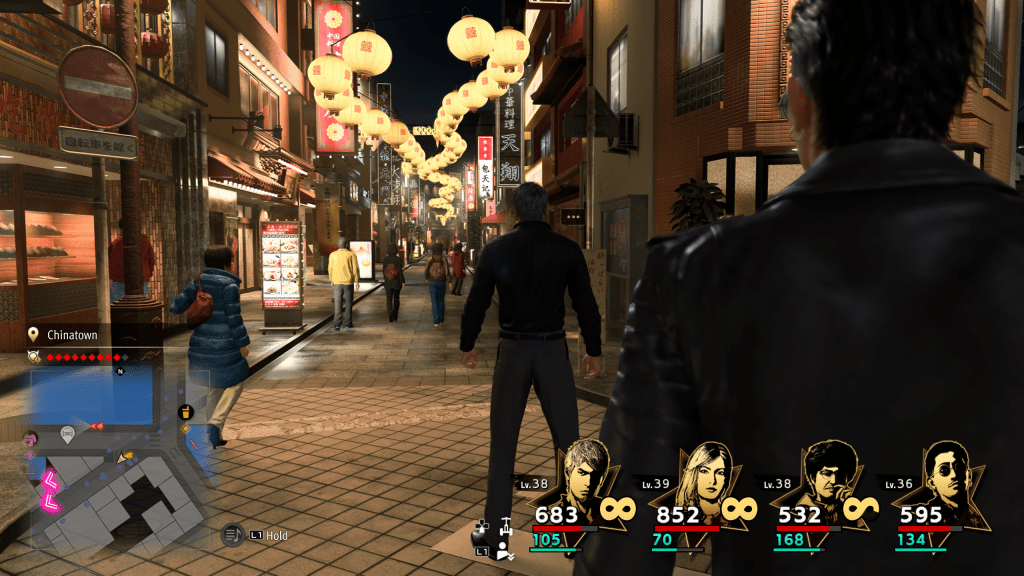
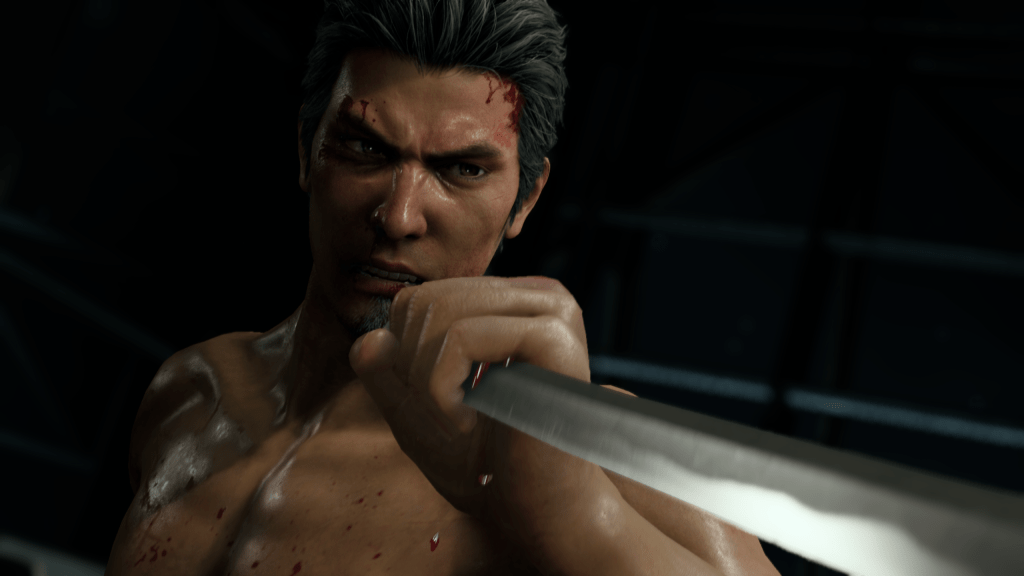
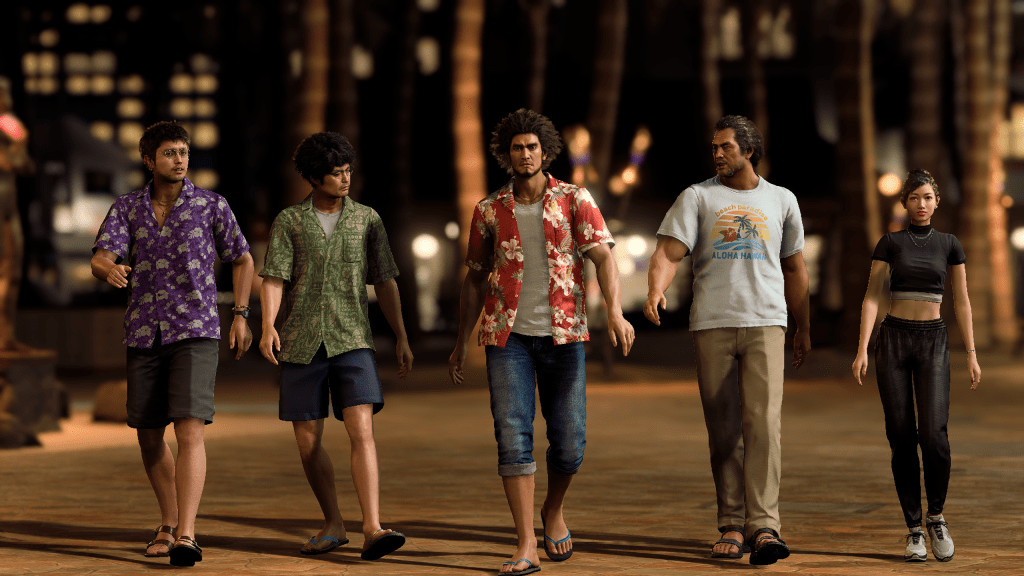
Despite references to the previous EIGHT GAMES in the series (eight!!!) flying completely over my head, it didn’t take long for me to get swept up in the melodrama. This was one parts Earthbound, two parts Soap Opera. Enemies ranged from a menacing crime bosses to oiled up pool swimmers to lightning-summoning wizards. There is some level of realism in the emotions and motivation of the characters, but you can also play a Crazy Taxi-esque delivery mini-game, engage in a Pokemon style tournament and even build up an entire island, a la Animal Crossing. There is so much to do and nearly all of it is enjoyable.
While I didn’t find the job system to be up to par, the movement mechanics in combat were flat out great. You can shift around so that if you hit an enemy back, they’ll launch into their friends behind them, causing extra damage. If they hit a wall or obstacle, extra damage. Even better, if you crush them towards a fellow party member, they’ll join in and whack the baddie with a cheap shot of their own. Chaining these attacks were by far the most enjoyable part of the gameplay and I’m shocked it’s the first game in the series to implement this.
I didn’t get much of a connection on Kiryu’s reflections on his life, but I was grateful the game would often tell me who I was going up against and what we did to them four games go. I never felt lost, even if Ichiban and his pals did at times.
5)
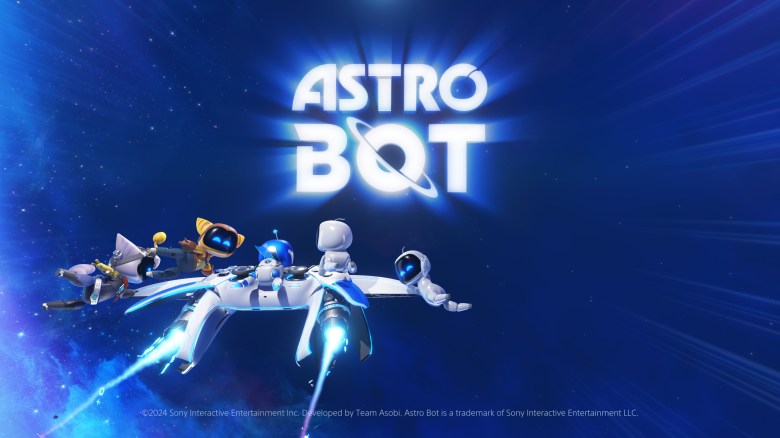
We haven’t seen a 3D platformer like this in a very long time, and Astro Bot is one of the few that can legitimately go toe-to-toe with Super Mario. I wouldn’t go so far as to say Sony beat Nintendo at their own game, but they came very close.
After launching myself at RPG after RPG, Astro Bot was a breath of fresh air. Charm in every nook and cranny and a control scheme that felt like putting on a familiar glove. No grinding, no lengthy cut-scenes, no maddening puzzles, no agonizing over equipment. It was just me and a cute little robot working its way through Sony’s backlog to rescue his cute little robot buddies.
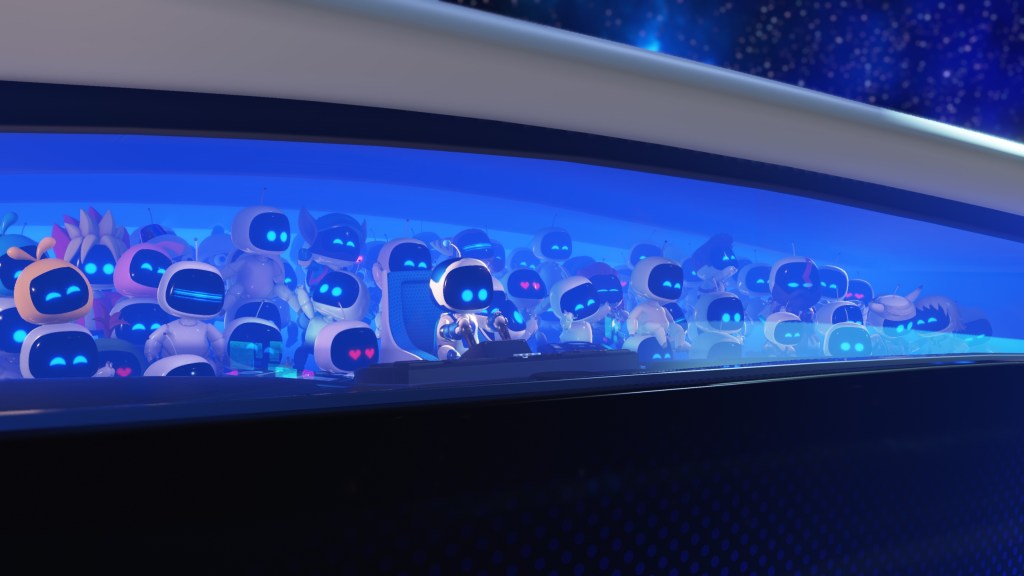
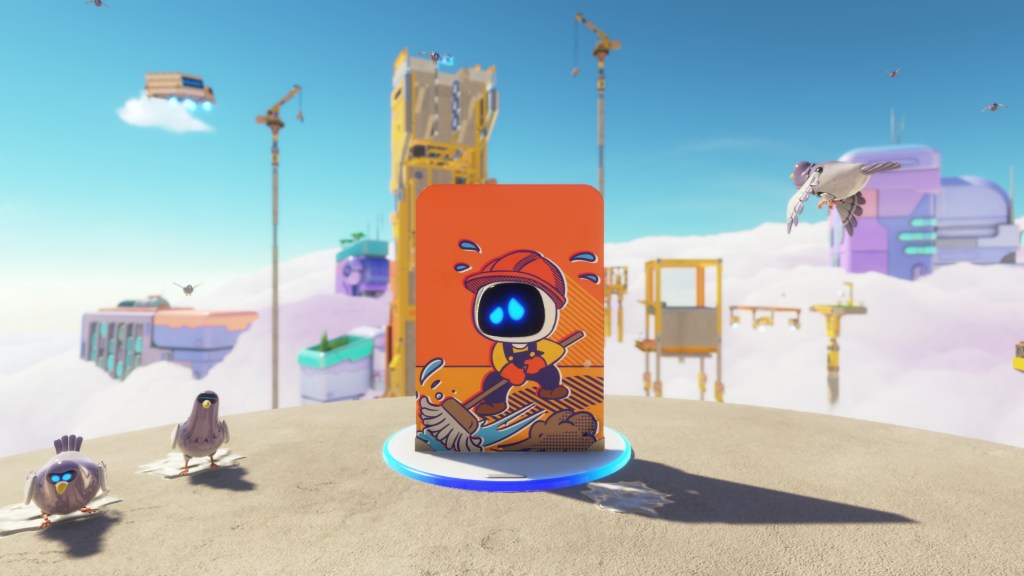
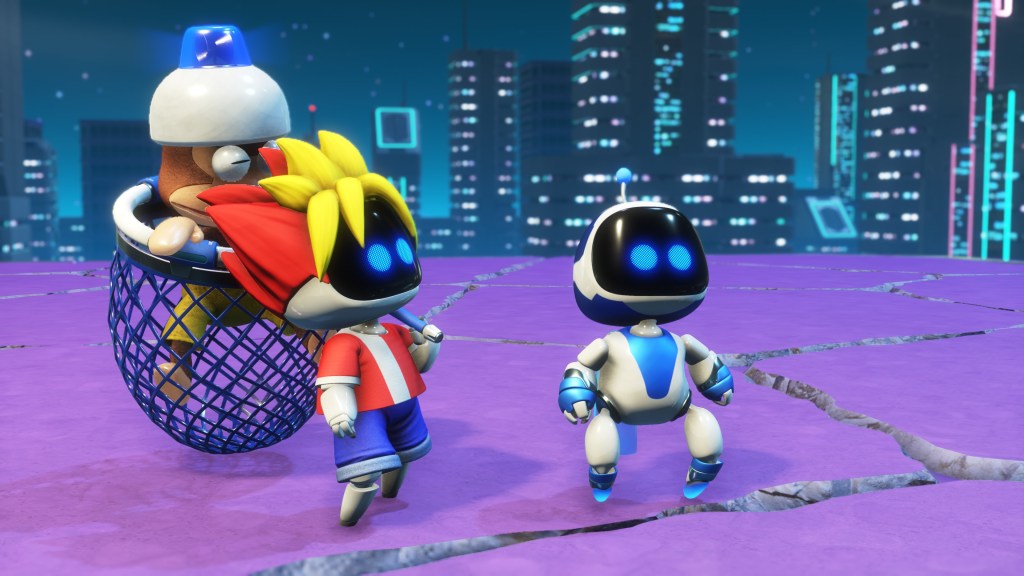
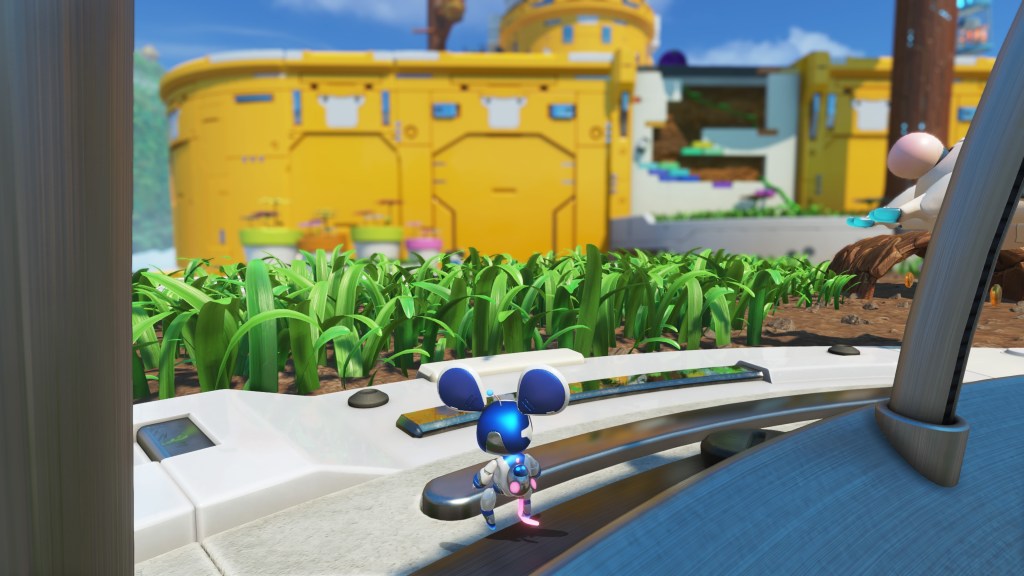
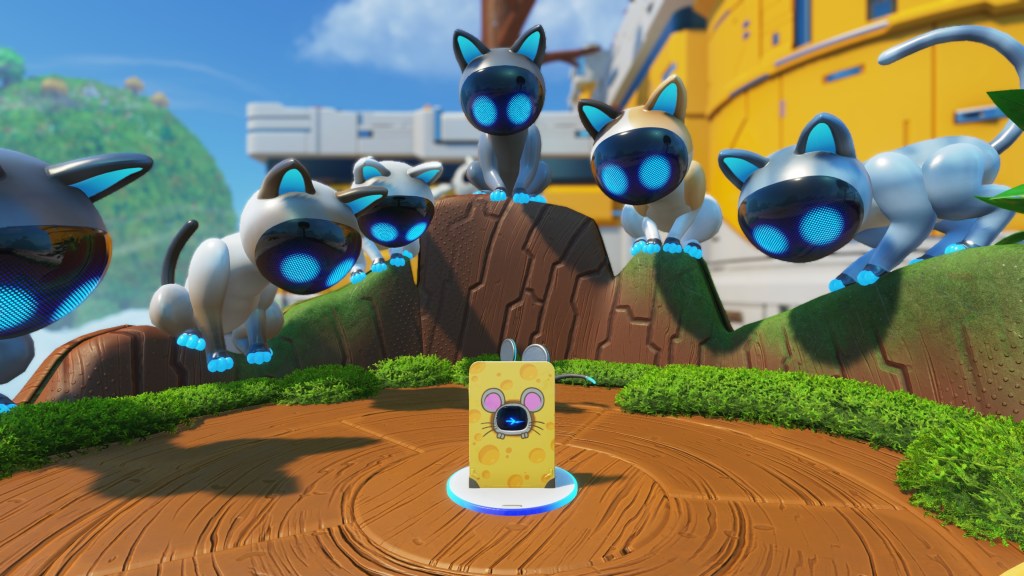
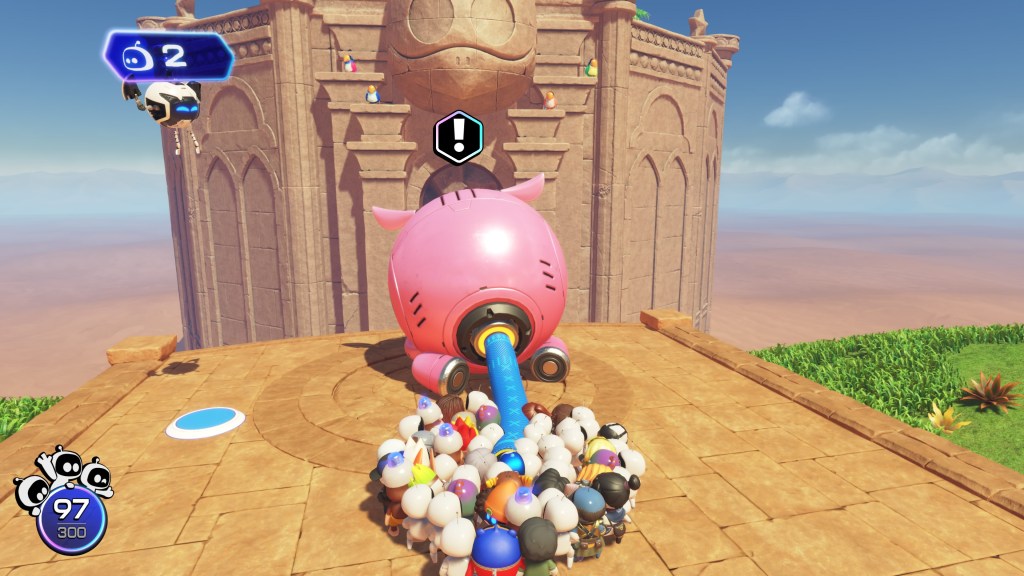
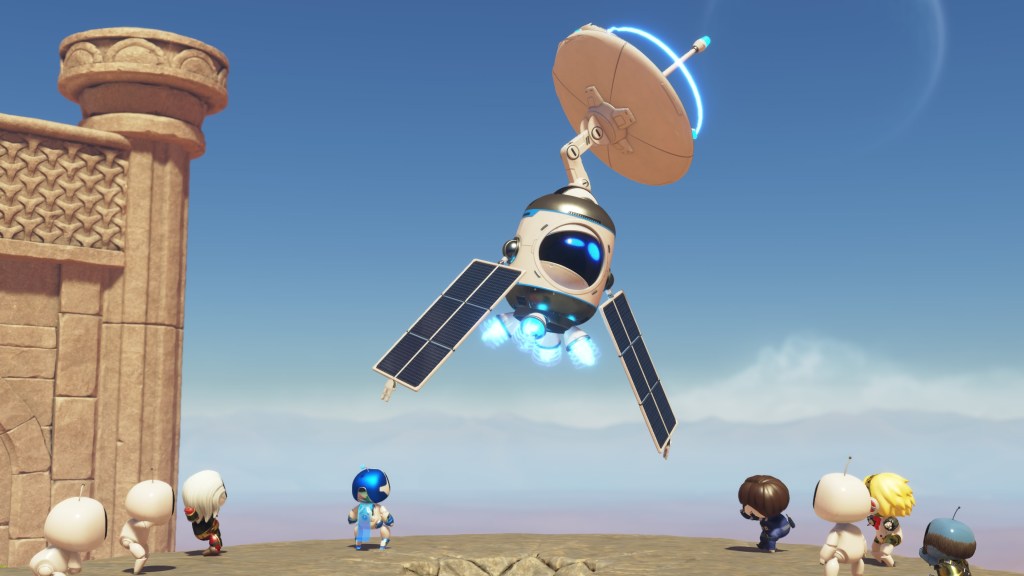
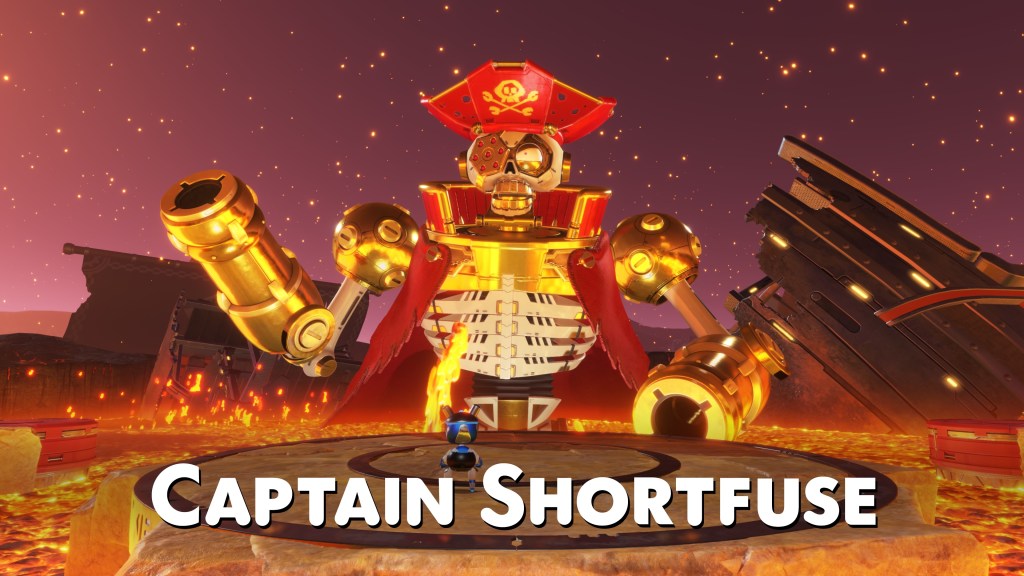
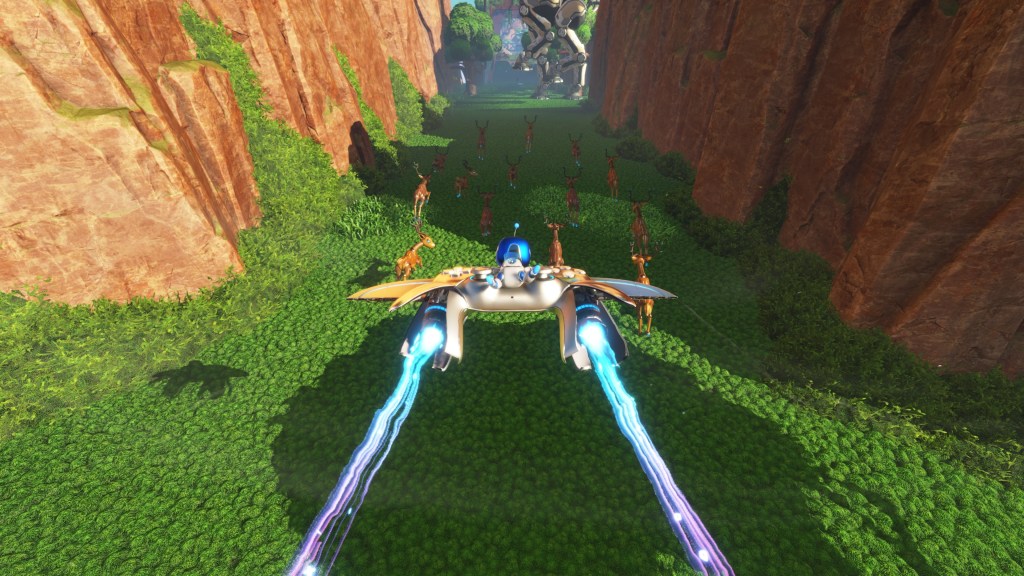
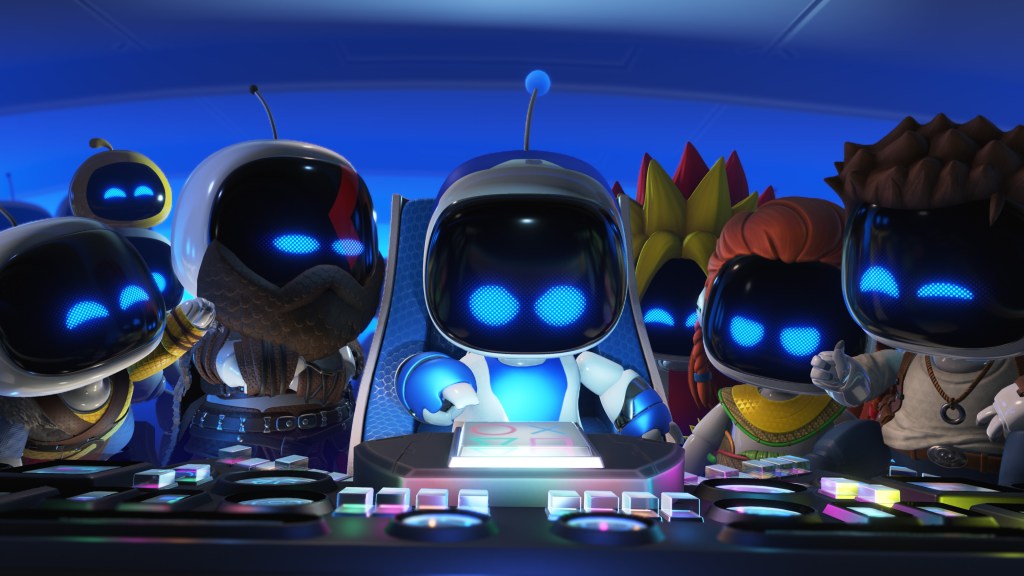
Even the music swept me away. That giant tree urging me to jump up into its mouth is a certified banger. Familiar tunes from the God of War franchise, or Uncharted were remixed into their own Astrobot-ed versions to wonderful results. The flavor text when reading about all the doo-dads and items you collect for your home base are adorable. Some of the levels exhibited masterful creativity, such as the big/small world. There is nothing here but good old fashioned video game glory with a modern coat of paint and a timeless sense of adventure.
Maybe 17 hours wasn’t enough!
4)
I saw this game on exactly zero Top 10 lists around the internet, as to be expected.
Also to be expected, I knew this would be on mine. Any willpower or sense of time is erased when I’m presented a Kingdom Rush, or any Tower Defense. I’m addicted, any sense of responsibility is crippled. If I have a free day and a new Kingdom Rush, you will not hear from me. If I throw a podcast on or bring up YouTube on the other screen I will be hypnotized for hours on end. Fans of the series have far more knowledge than I do about specific units, or the meta or storyline (as slim as it is) but to me, this is the best in the series.
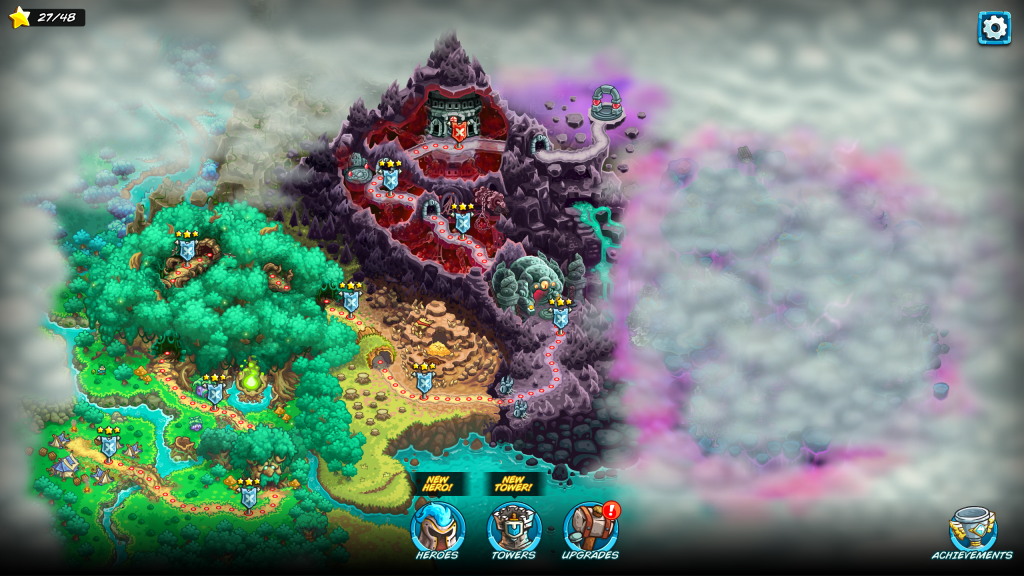


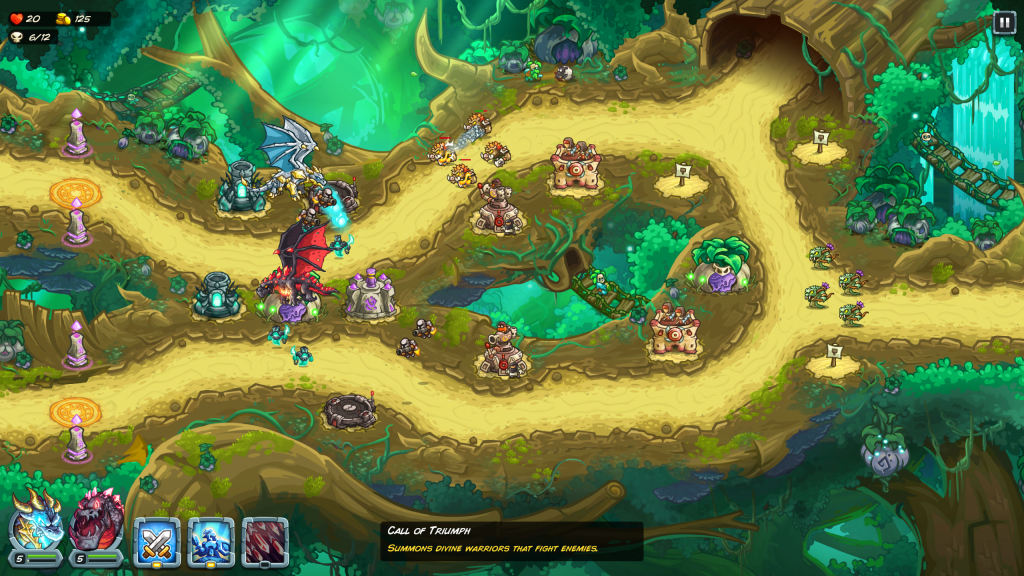


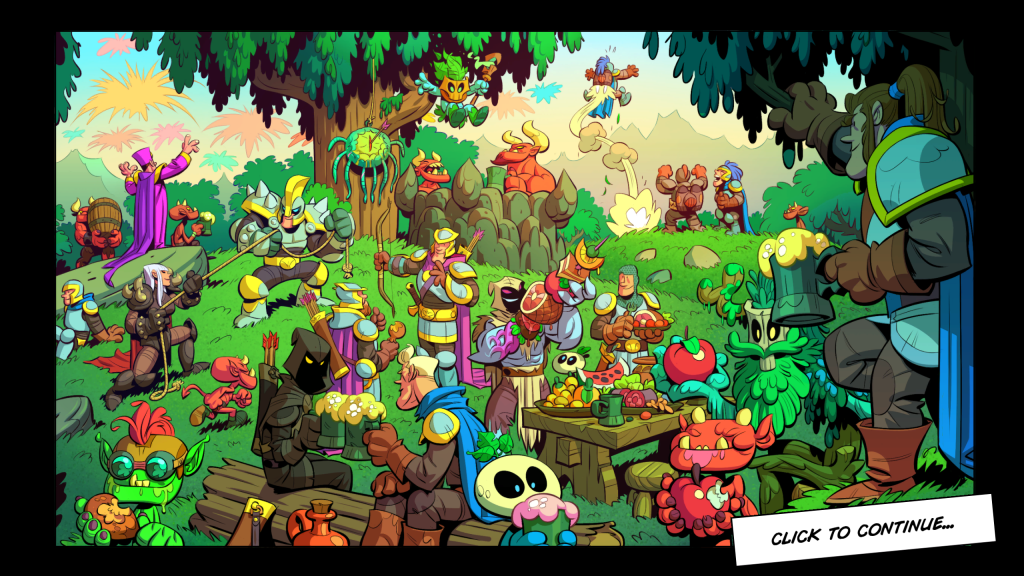

Everything is polished to the perfect degree. Ironhide is beyond experienced at this point, and you can tell they’re content to tinker with a formula that is so tried and true it’s difficult to expect any other developer to come along and eat their lunch.
Two heroes instead of one means far more micromanagement, but also widens the possibilities for strategy. Some heroes are powerhouses in the air, but can’t block enemies from passing by. Some are demons on the ground, but their abilities may be sub-optimal for a particular level. The variety of towers means I always have a cascade of fallback plans in case of failure. It’s the kind of challenge I embrace and is about the only time I will select the hardest possible difficulty setting. I wouldn’t say I’m “good” at Kingdom Rush 5, merely stubborn and willing to fail. The final area, with the enemy “Glare” ability completely upturned what I thought about tower placement and forced me to react in unexpected ways. .
To boot, Ironhide is adding more levels and heroes as time goes on. If I need a distraction, or I want to challenge my skills, there’s almost never a better choice than a Kingdom Rush.
3)
Entries #10-4 were moderately tough to rank. Shuffle them randomly and I probably wouldn’t be too ruffled at the result.
But the final three gave me fits. Usually when I begin my preparation for a Top 10, I have the list locked in and ready to go. Not so this year – I only just decided now, and I’m certain I will be questioning my rationale for years to come.
It seems borderline unfair to rank Balatro at number 3 but it’s any consolation, this is one hell of a bronze medal.
This is the only game on the list that I’d recommend to anybody. A large contingent of my friends are parents and, understandably, they don’t have time available to dedicate to anything other thing bite-sized morsels. But Balatro is an obvious choice when it comes to spreading the word. It’s cheap, it can be enjoyed in 5 or 10 minute intervals, the foundation is based upon a game that everybody is moderately familiar with (poker) and the basics are so easy to understand that you can familiarize yourself within minutes.
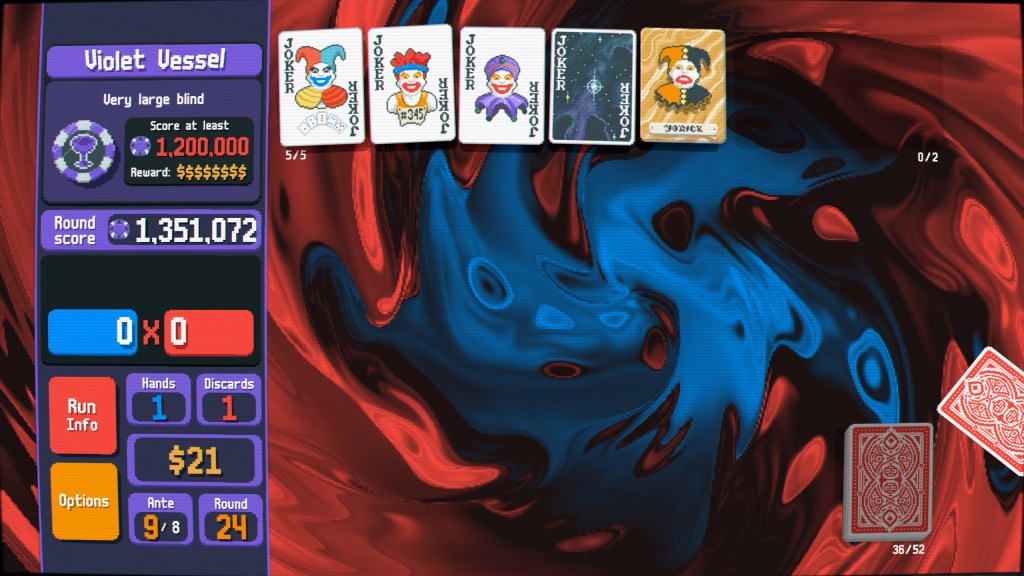
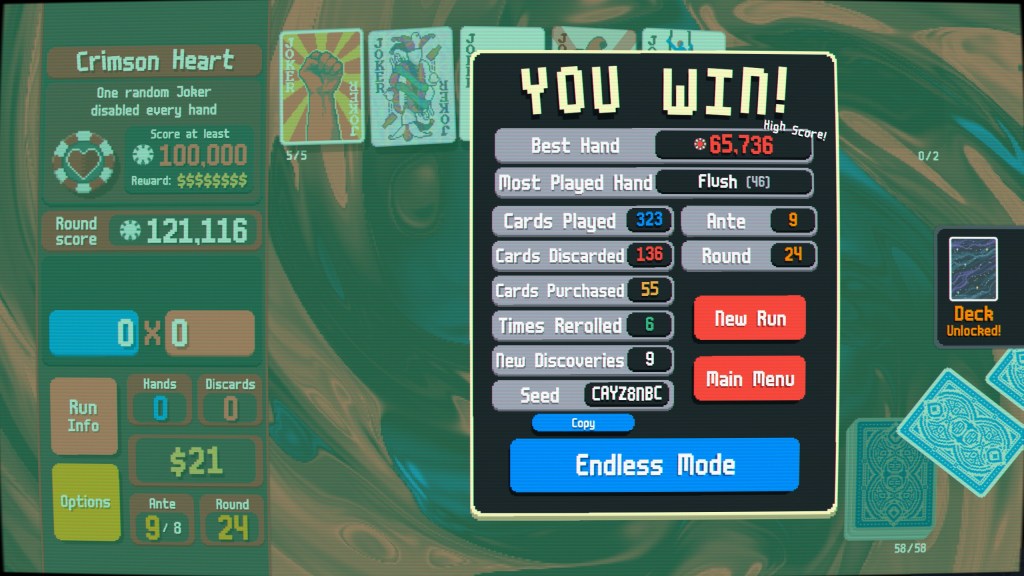
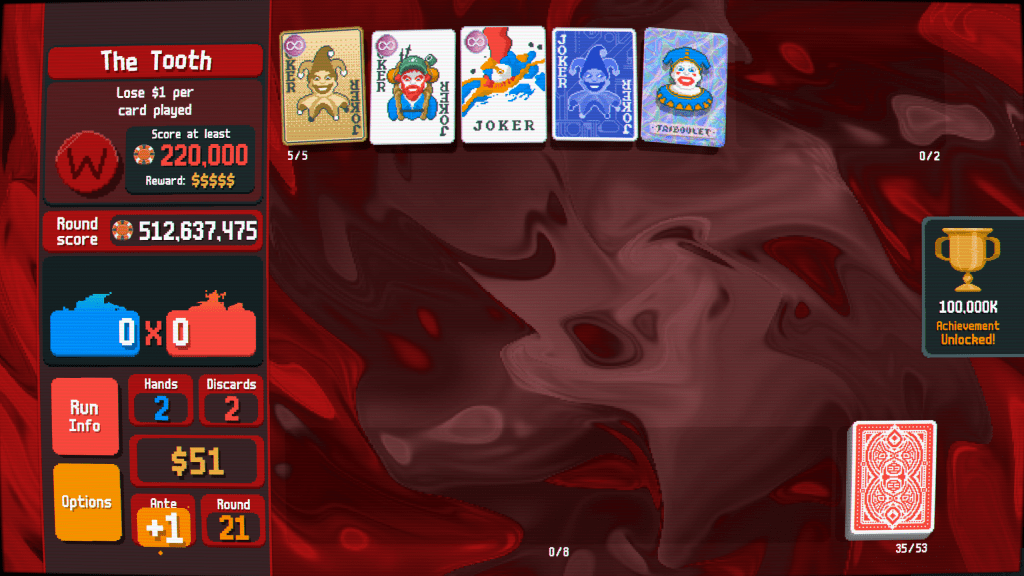
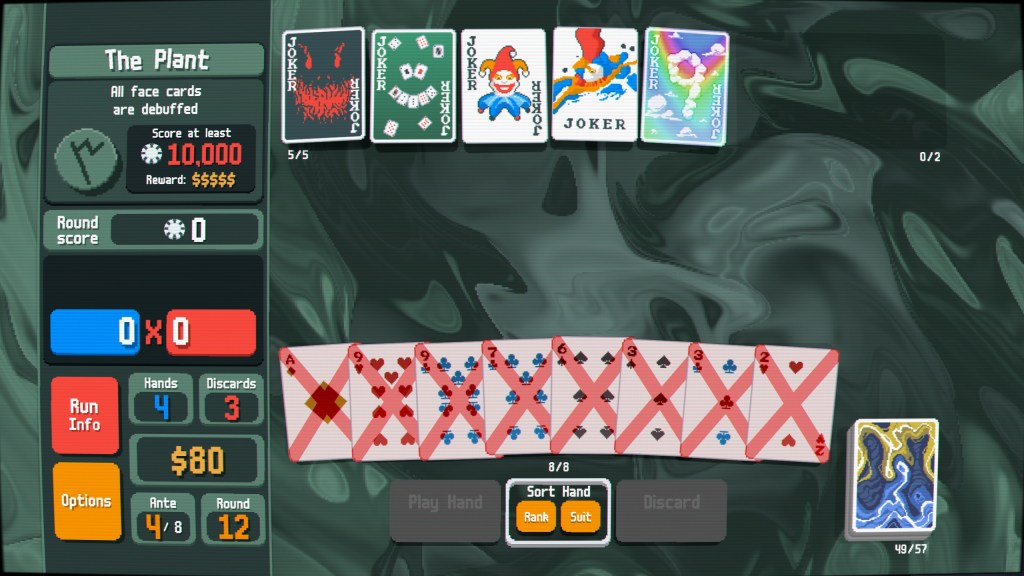
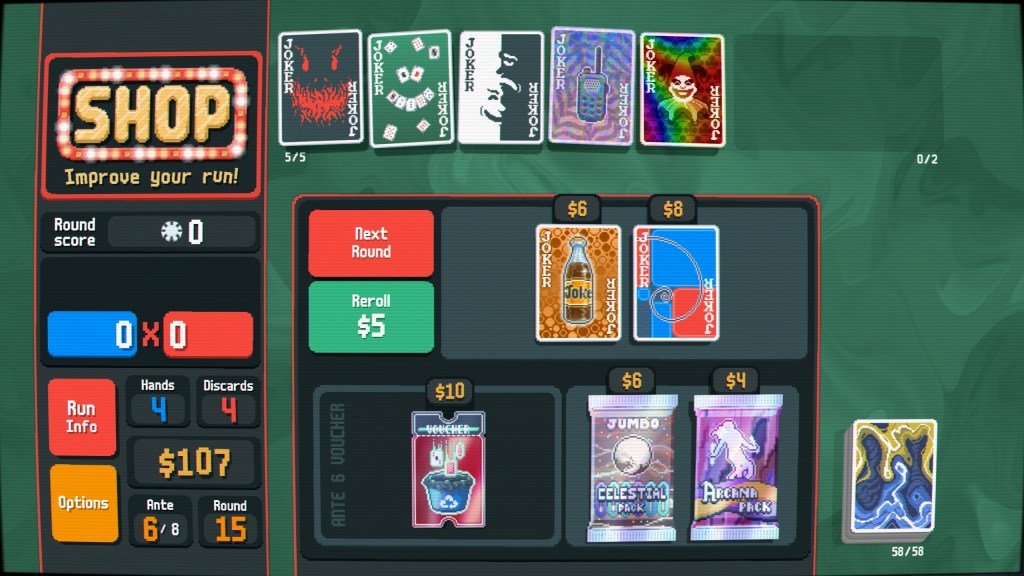

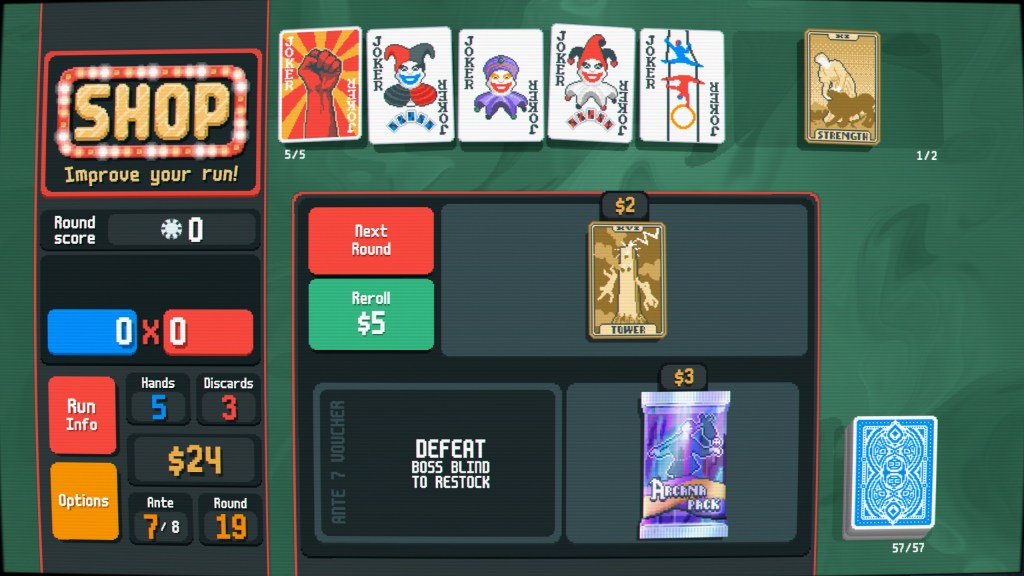
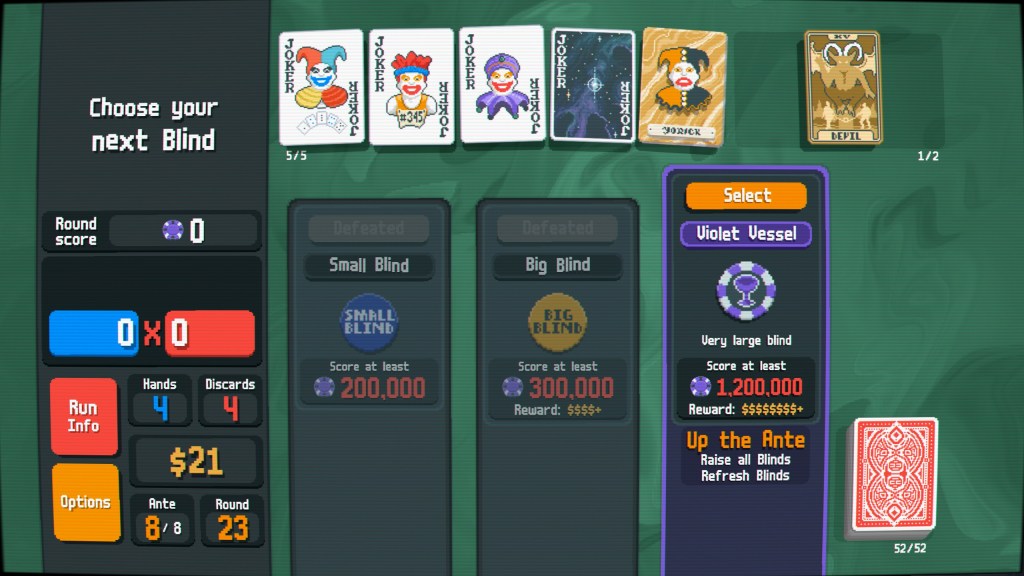
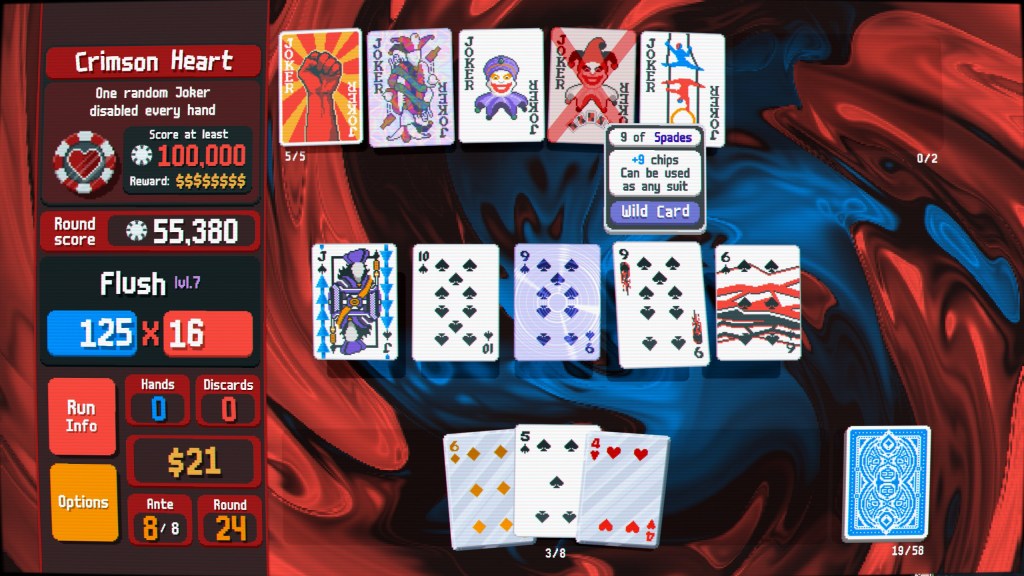
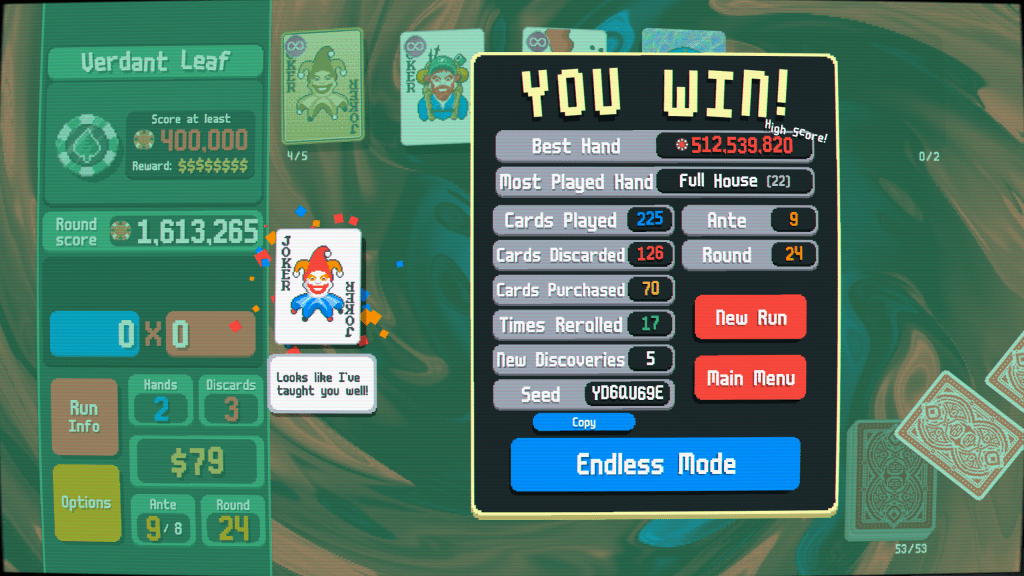
If I thought Kingdom Rush 5 was addicting, Balatro was outright dangerous. I couldn’t stop – every run, every hand combination, every good hand fired a rush into my brain thanks to the sounds and colors. The Jokers are the true wildcards – with dozens available, the combinations are nigh endless. Boss fights were outright cruel and as the difficulty ramps up, you start to completely lose faith…until you get an unstoppable run where money is always available, you get the right cards exactly when you need them and you can practically hear the game begging for mercy. And you can keep going, as long as you like.
The quality is staggering; it may be the best deck-building roguelike I’ve ever played, right up there with Slay the Spire. Even small quality of life choices like turning Diamonds Yellow and Clubs Blue made me wish a real life of cards had the same option.
I may not be able to create a Flush House or a Five of a Kind at the casino without cheating heavily, but I can do so in Balatro and be heavily rewarded for it.
2)
I don’t have any justification for not putting Final Fantasy 7: Rebirth in the top spot. I contemplated, read every review I could for each game, listened to podcasts, watched YouTube videos and scoured Discords for any re-affirming comments or critique that would sway me one way or another.
Nothing worked. Flip a coin. Both #2 and #1 are superb.
Final Fantasy 7: Rebirth is a bit of a slog at times. It’s a mammoth, the one I put the most hours into (90) this year. It’s filled with content, absolutely packed to the brim. There are mini-games galore, combat littered throughout the massive open-ish world and boss fights that wouldn’t dream of letting you sleepwalk through. The characters we know and love are here, and then some. This is the single best action combat I’ve ever seen in an RPG – mixing and matching party combinations and who I controlled was as satisfying as anything I experienced in 2024. The Materia system has somehow become even more endearing to me. I don’t know if it’s the aesthetics of the colorful little balls of might, or the fact that which equipment piece you equip goes beyond choosing a higher number. This is pure magic.
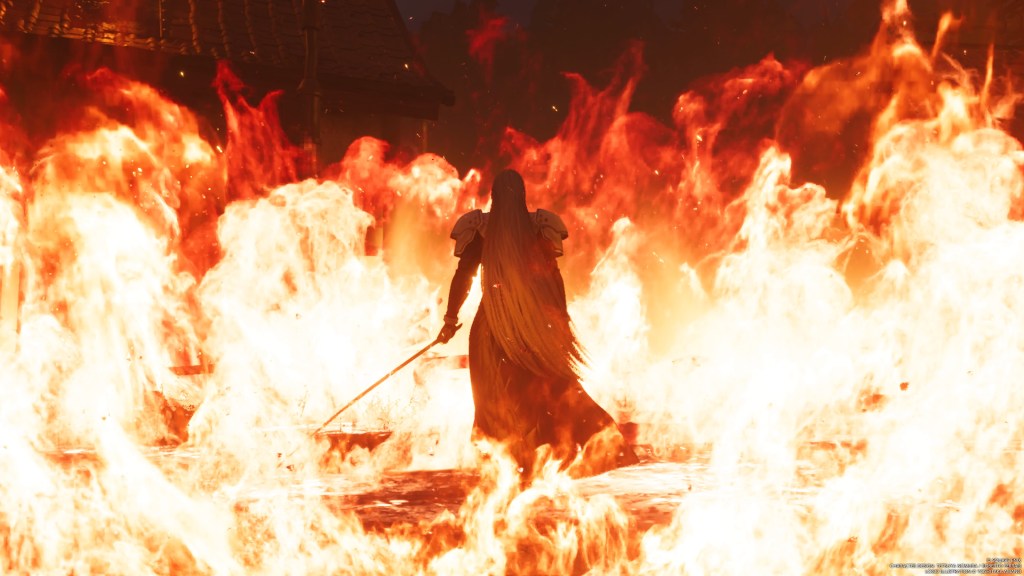
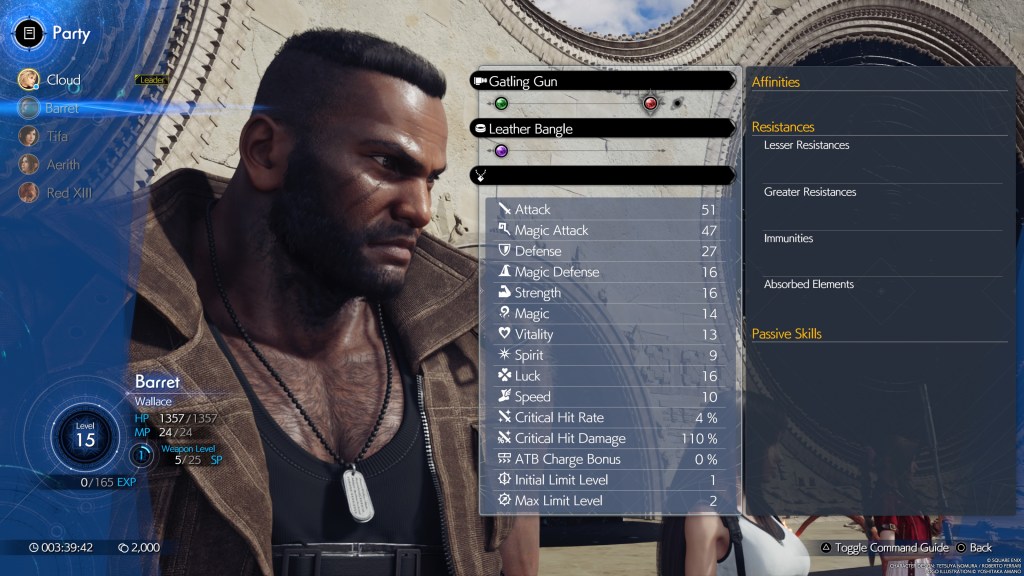
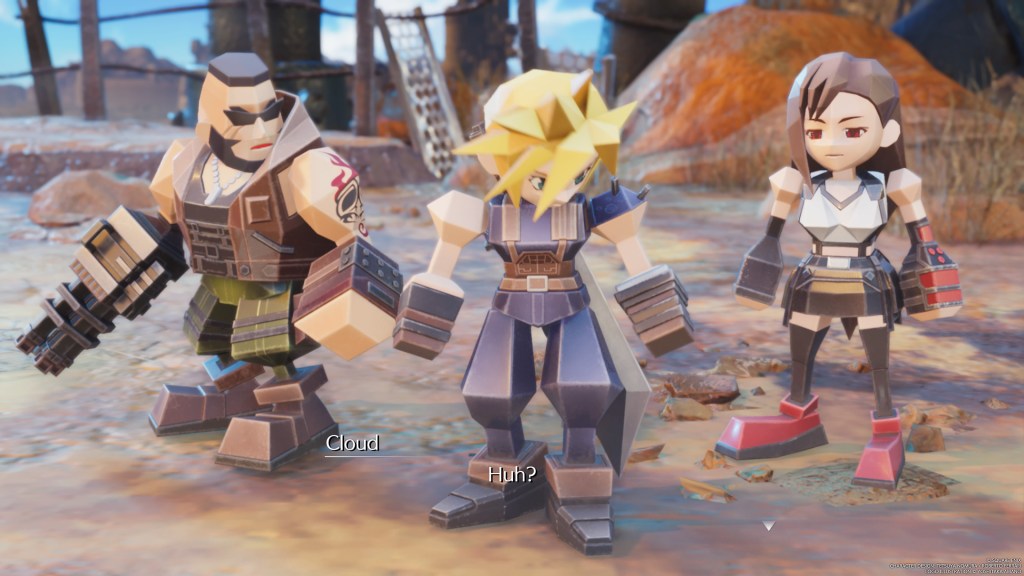
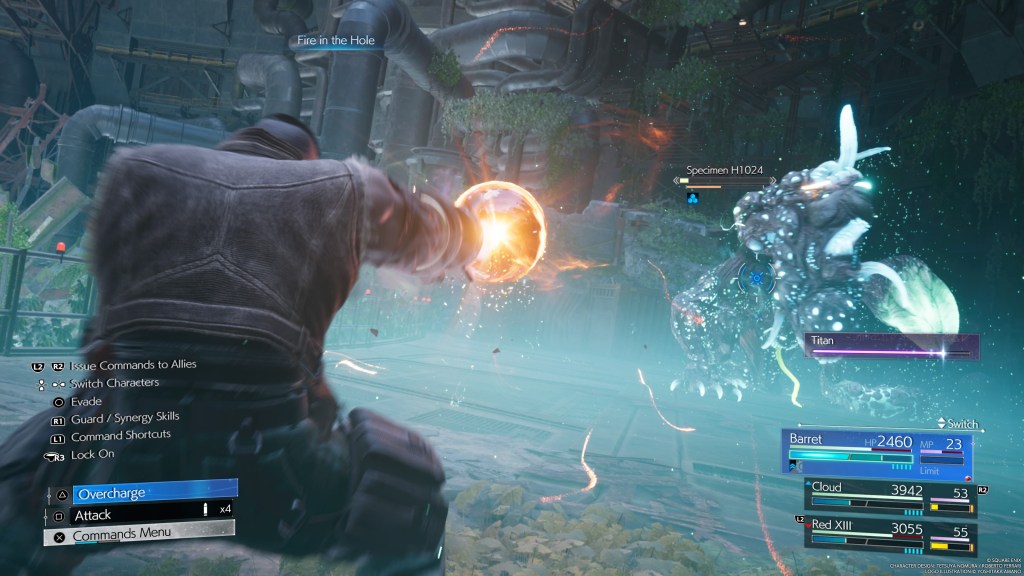
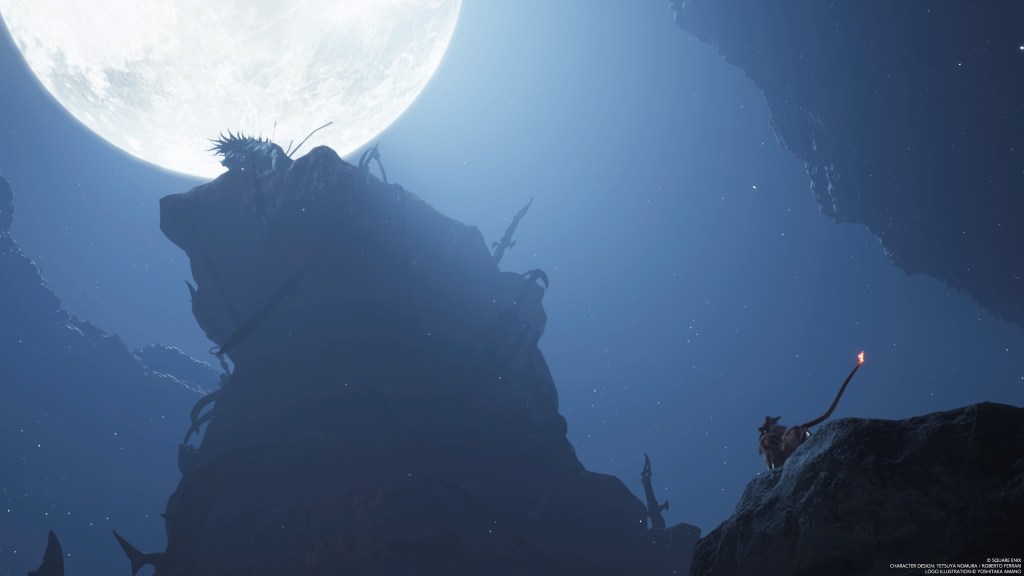
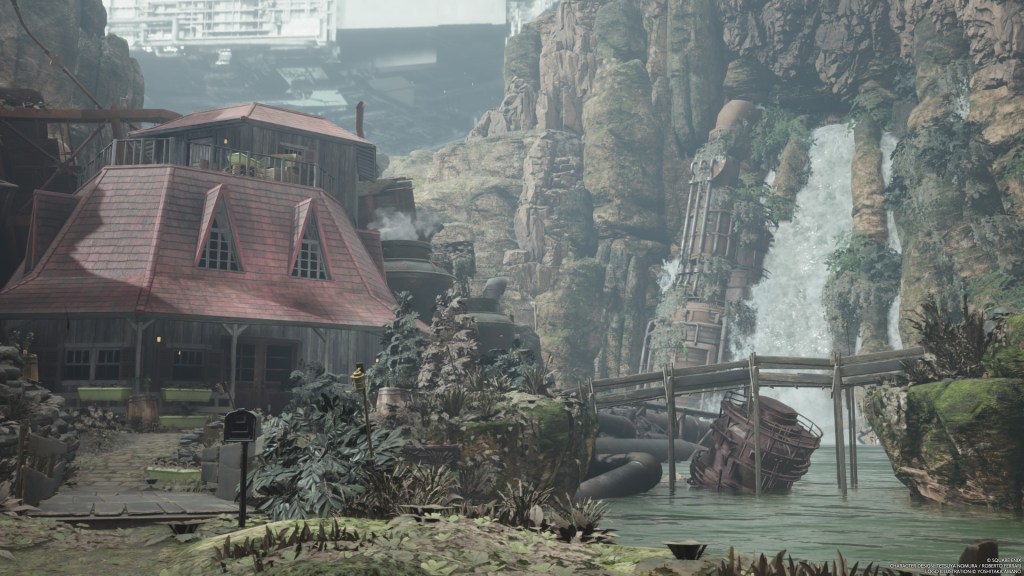

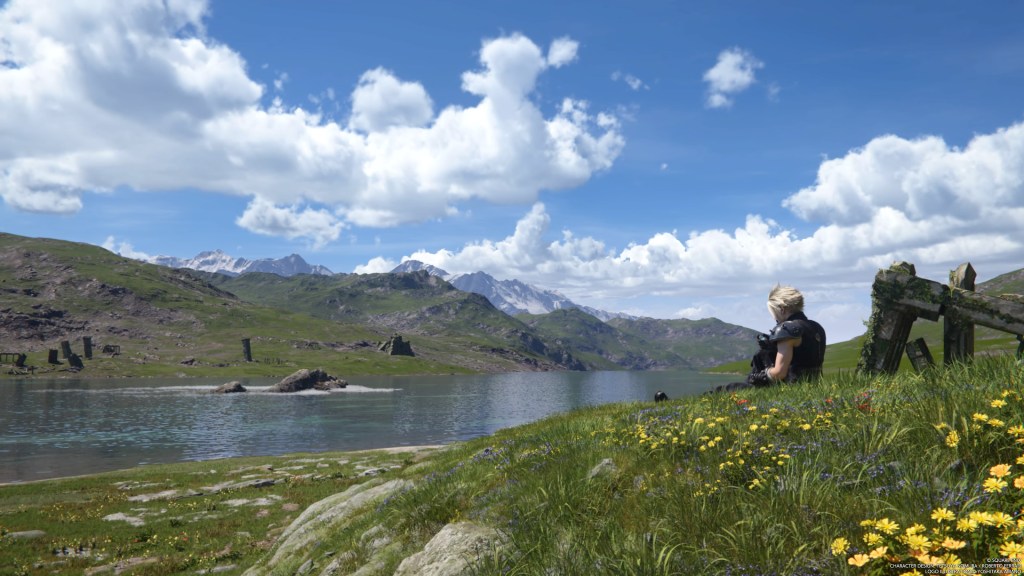
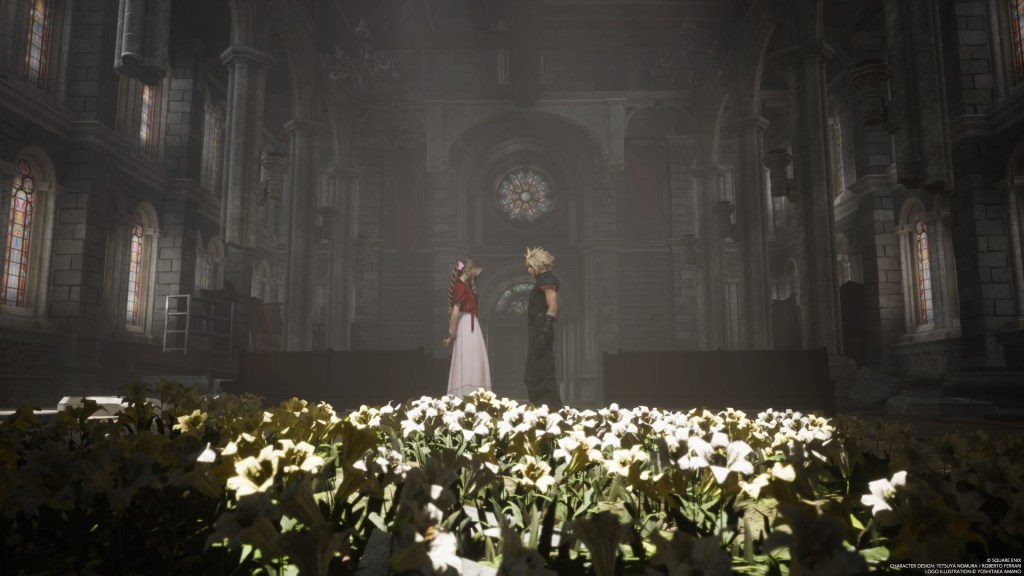
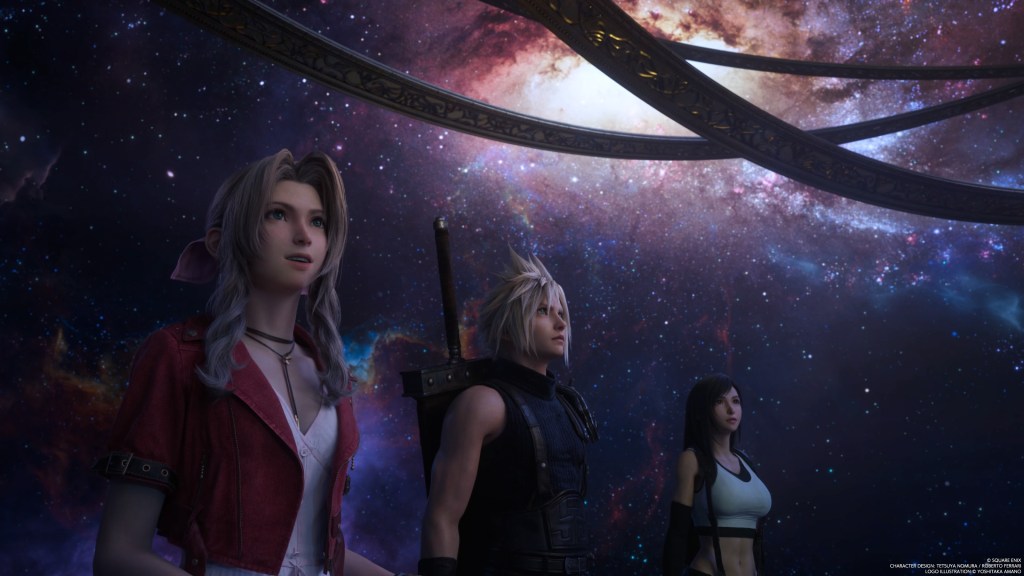
All the big moments from the original game are here, and then some. Red XIII’s visit to his home village was just as good as I’d hoped. Visiting the beach resort of Costa del Sol provided some much needed levity. Flashbacks expanded the already established story, motivations are revealed and then deepened. Every landscape is gorgeous in its own way and the character models are still among my favorite ever made. This is exactly what I was hoping for.
There were a few moments of frustration and bloat to be sure, but for every minor frustration, there was major fun to be found. The Queen’s Blood Card Game was something I intended to dismiss as quickly as possible, only for me to challenge opponents at every turn. Side content wasn’t necessary, but the thought of removing myself from Gaia seemed offensive. I went along with it.
I’m still not sure how I feel about the ending, and perhaps it being a “middle” chapter in a story that will span three games is a very slight knock against it. But, bang for my buck, this was a tremendous ride and one of the best in the Final Fantasy catalogue.
1)
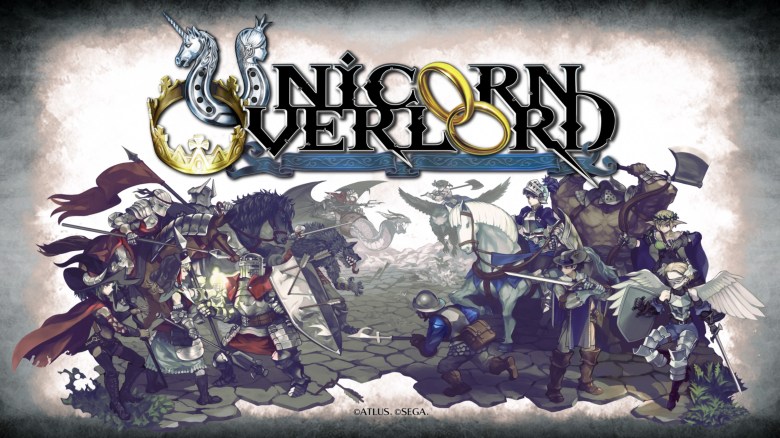
This came out of nowhere. I’ve always been a fan of Vanillaware, but this has to be the best they’ve ever produced. I’ve waited forever for a true successor to Ogre Battle 64 and I finally, finally got it with Unicorn Overlord.
After stumbling my way through Eiyuden Chronicle: Hundred Heroes, I was disappointed. This was supposed to be a spiritual follow up to Suikoden, but whiffed on several key areas, namely the user interface. Depending on the game, the importance of navigating through menus ranges from non-existent to completely dependent on them. When you give the player the option of bringing in dozens of characters into battle all with different abilities and equipment, you better make the process of arming your army as easy as possible. Eiyuden Chronicle failed, but Unicorn Overlord succeeded beyond what I thought possible.
These are my favorite menus and the best organization in a tactical RPG I’ve ever seen.
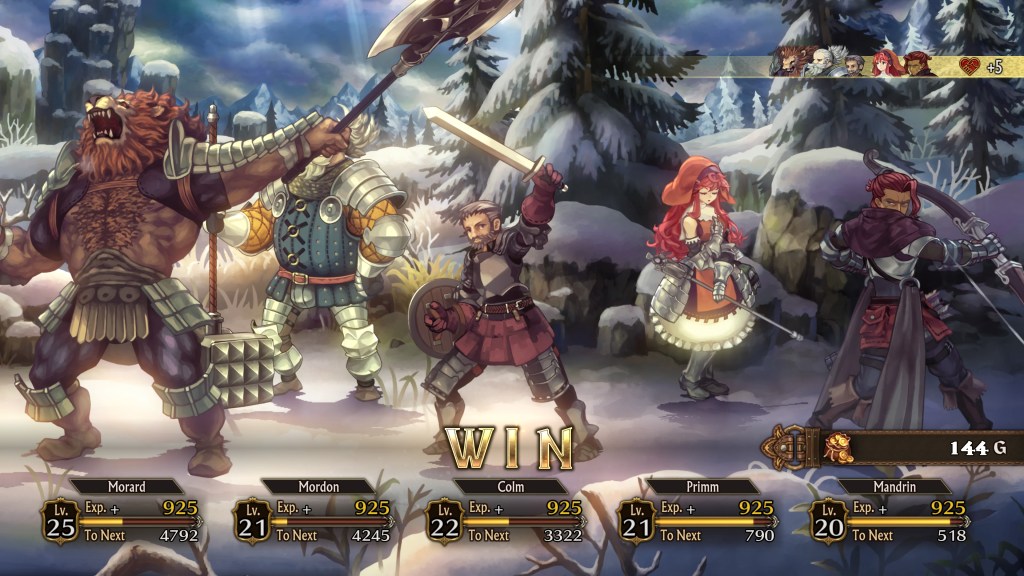
This may seem like a silly reason to praise a video game, but just look how clear everything is. That subtle knock when you make a selection, the SNES like sprites, the small animation that plays when you hover over a unit. You’re never uncertain which option you’re currently picking and every input you make feels worthwhile and impactful.
I think it’s because I spent so long in the menus that this felt like an inspired choice. Hardly anybody does visuals as well as Vanillaware, but here it goes beyond good looks. It makes a complex game a cinch to play.

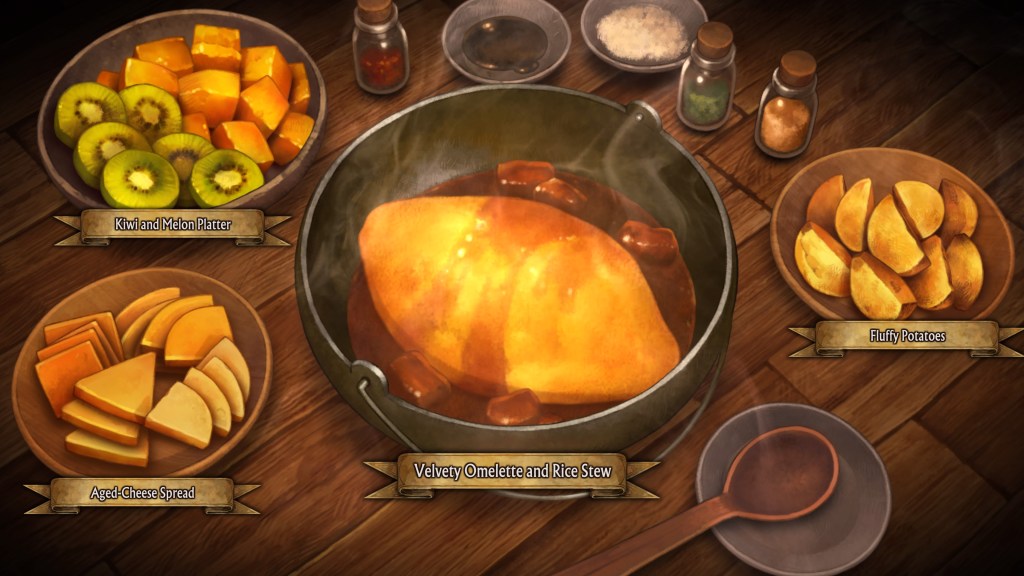
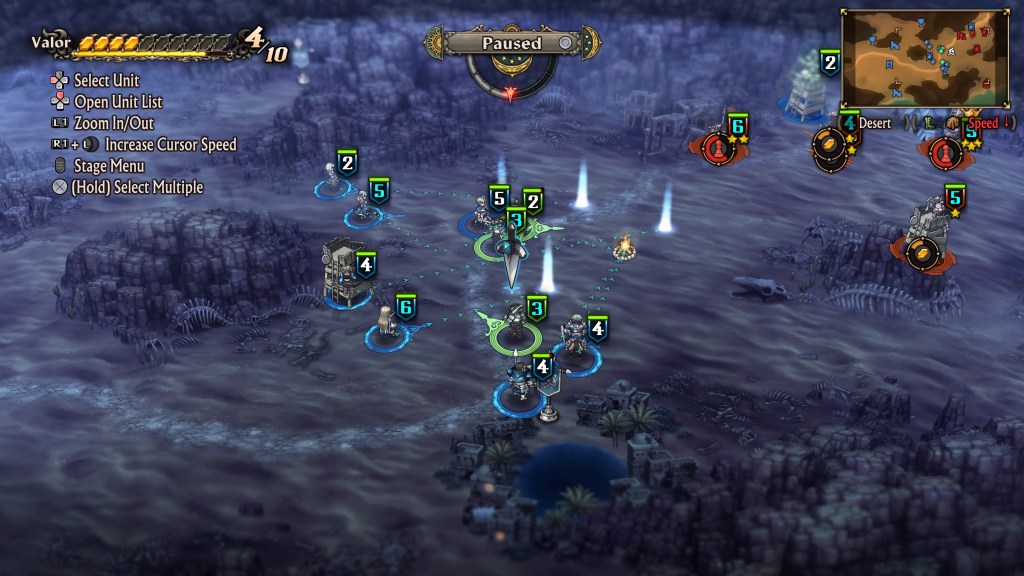
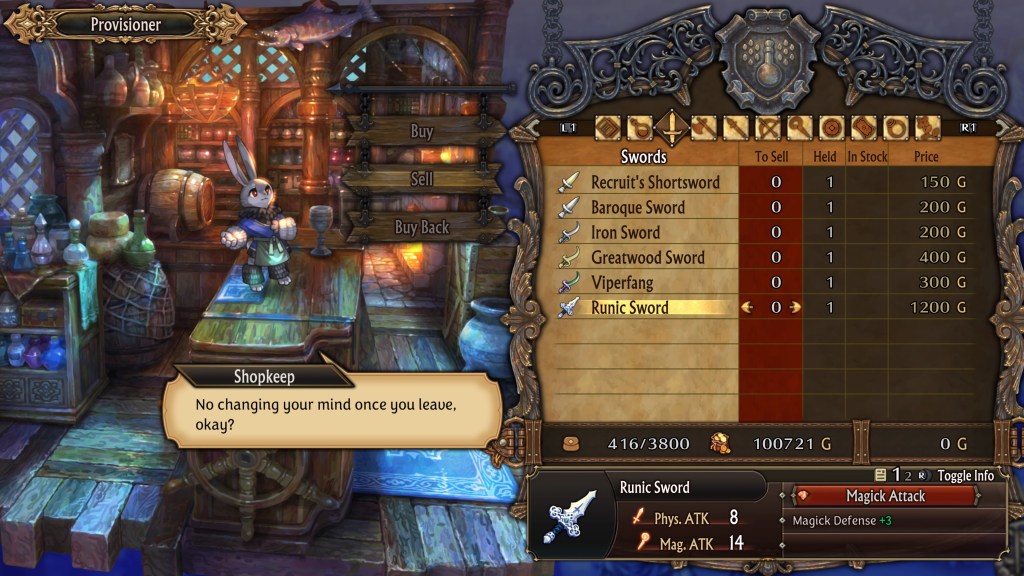
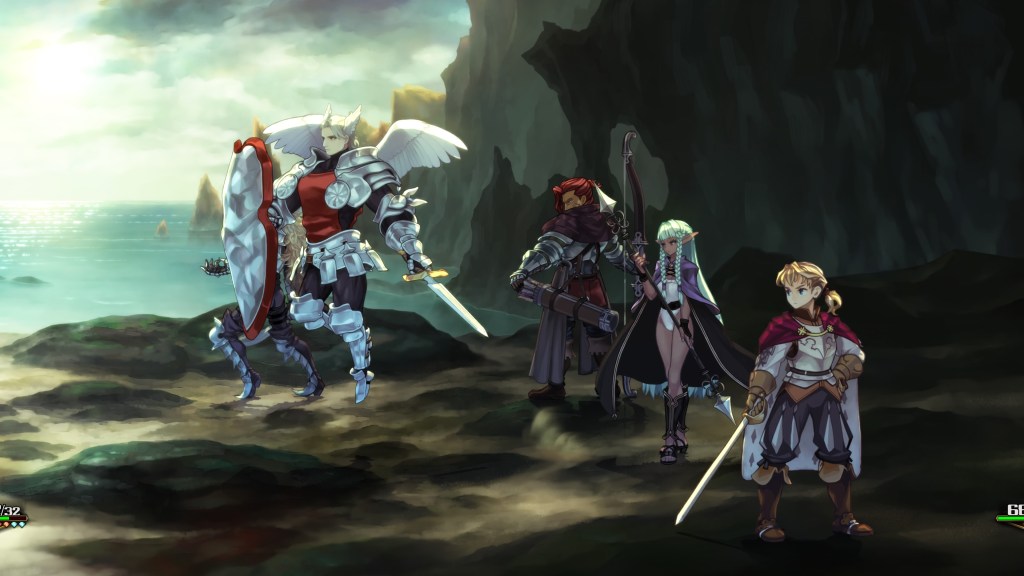
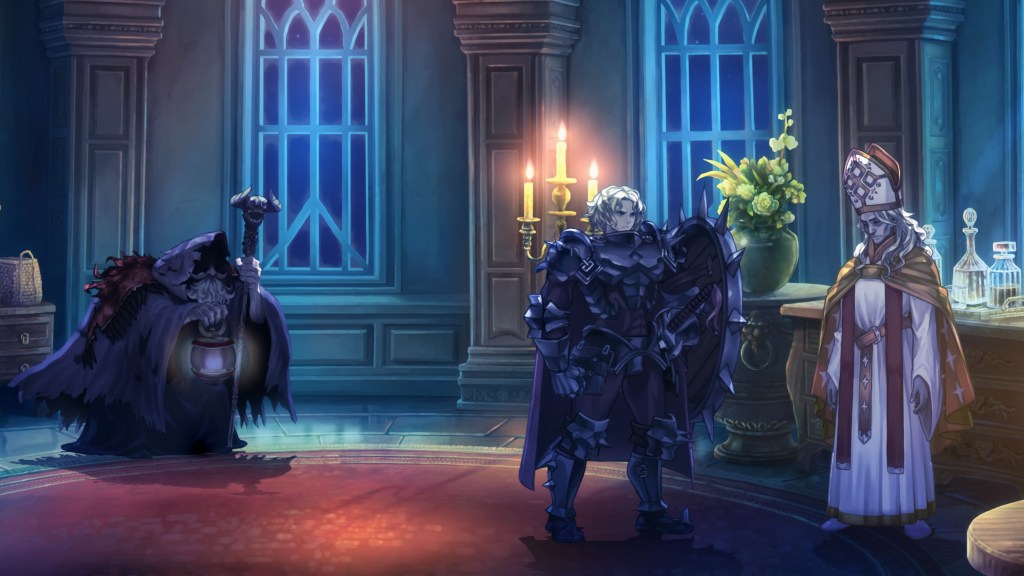
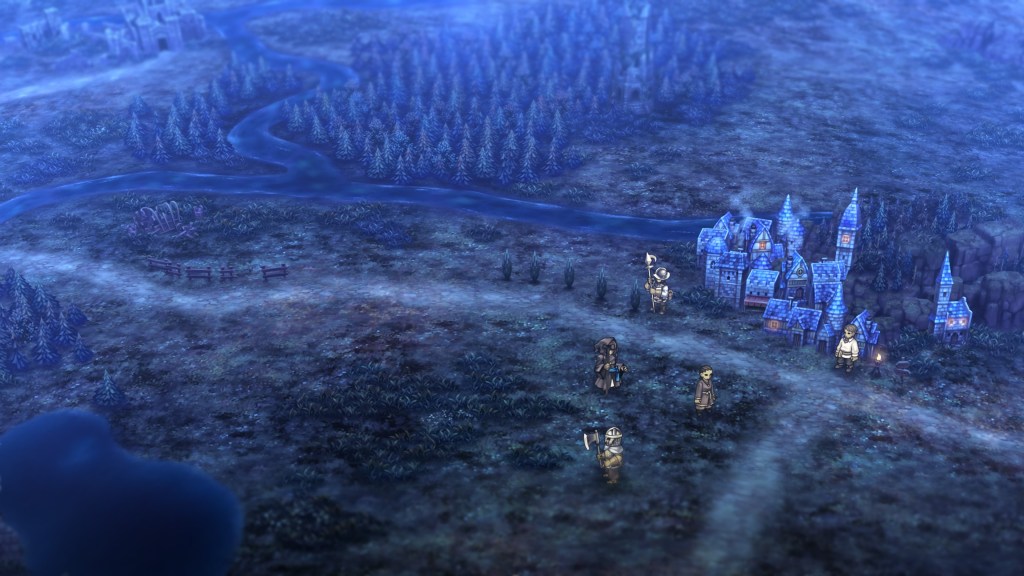
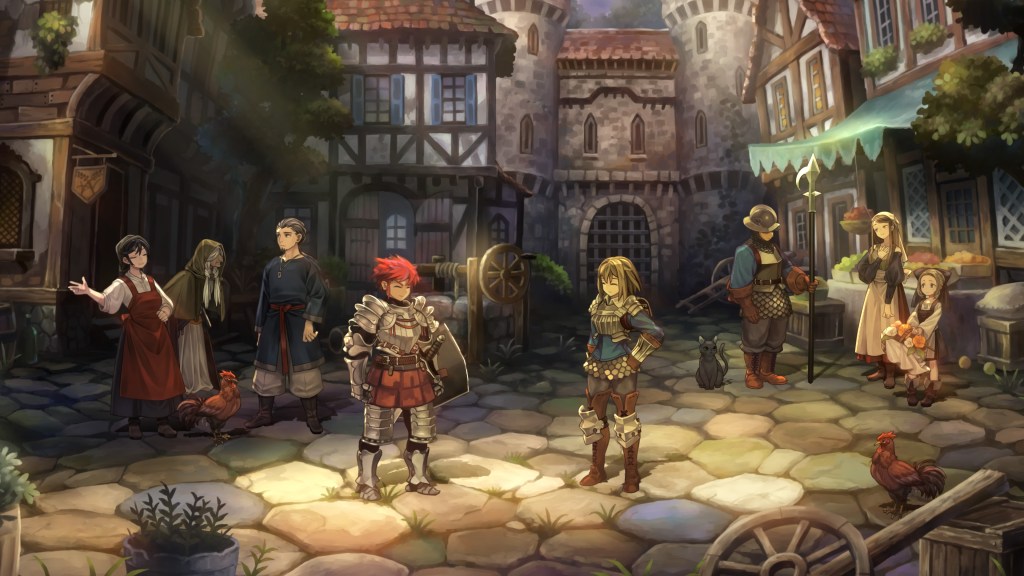
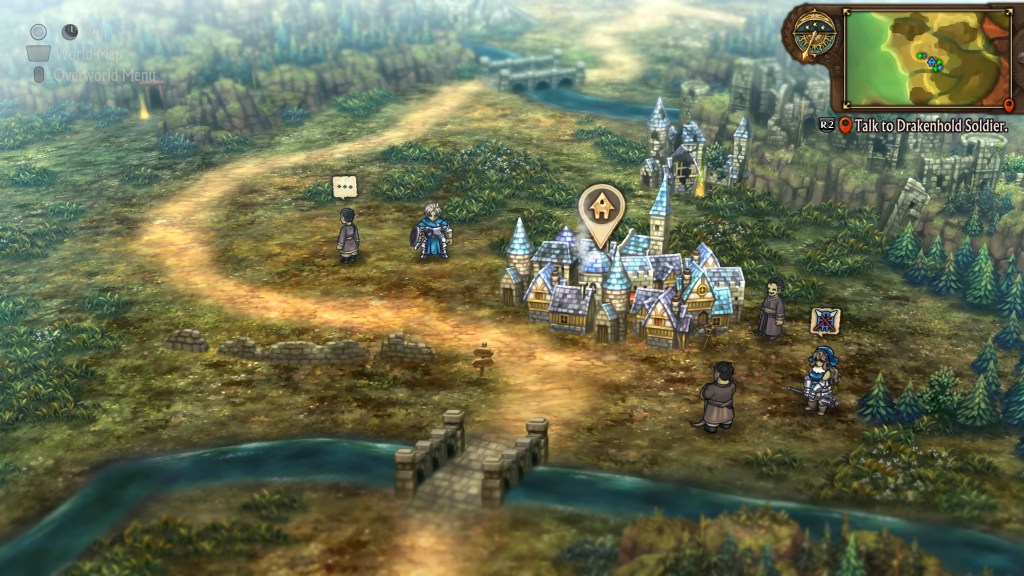
They’ve set a bar, and other developers better take note. You can fast travel anywhere, instantaneously (thank you PS5 load times!). You can see which items and weapons towns have from the map menu. You can see the exact locations of every rapport conversation easily. Comparing and equipping new armor and accessories is a breeze and considering you’ll have more than 50 individual soldiers by the end of the game, that’s really saying something. Nothing felt inconvenient and everything felt smooth.
The overworld map is a treat to explore. There are hundreds of nooks and crannies to navigate, resources to collect, secrets to uncover, side quests to complete, towns to liberate, and villages to restore with deliveries. I was equally thrilled to do non-combat activities as I was to engage in giant confrontations.
But combat is the star of the show. To say it’s deep is not sufficient. You get up to 10 units with up to 5 characters each. Each character has a weapon slot and 3 other slots for armor and accessories. Then, they have active abilities and passive abilities and you can choose which priority they take, which conditions trigger them AND choose which position in the group they start on. I had such an amazing time composing teams, building synergy and gleefully watching the carnage of my new experimental Werebear + Mage Owl + Angel trio. Even if the battles are automated and the game literally tells the result before it happens, I was compelled at every step.
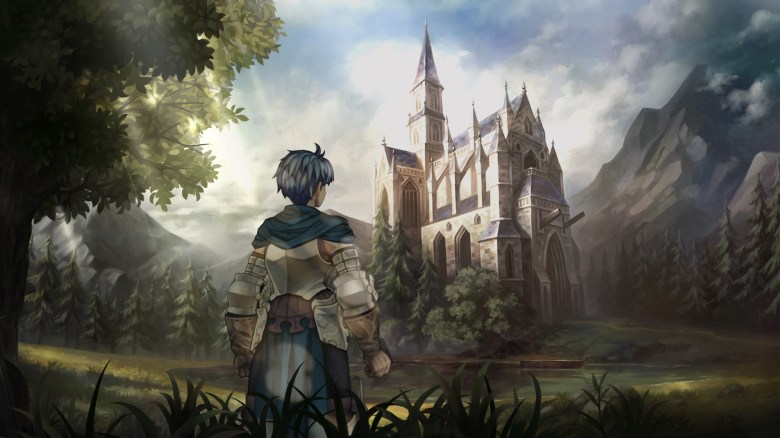
There’s so much here. Each unit has their own field ability which can dramatically alter the tides of the conflict, from movement bonuses to experience gains, to heals. To boot, nearly every confrontation takes place on the World Map. There’s a huge sense of satisfaction when you’re running through an area, only to be reminded “oh yeah, here’s where I used the catapult to launch a rock at that cavalry unit”. I immediately wanted to start a new game on a higher difficulty and I almost never feel that way, particularly after spending 62 hours in 25 days playing.
The story may be tepid and the characters a bit ho-hum, but the entire design from the superlative visuals, to the majestic soundtrack to the incomparably deep combat meant I was enraptured within minutes. Ogre Battle 64: Person of Lordly Caliber, eat your heart out.
Unicorn Overlord is my game of the year.
 The 500